Cleaning Business Profit Tracker Binder
$2.00 $7.99
What did today actually pay per hour?
Buy on Etsy See detailsShop by need
Bookkeeping, profit tracking, and rental property binders for one person businesses.
Running a one person business means you are the bookkeeper, the tax planner, and the person who has to know whether the whole thing is actually profitable. This collection holds printable money tools built for that reality: bookkeeping planners, profit trackers, rental property binders, tax planners, and side hustle trackers. They are built for owners who do the books at the kitchen table after the real work is done, in the fifteen minutes between dinner and everything else.
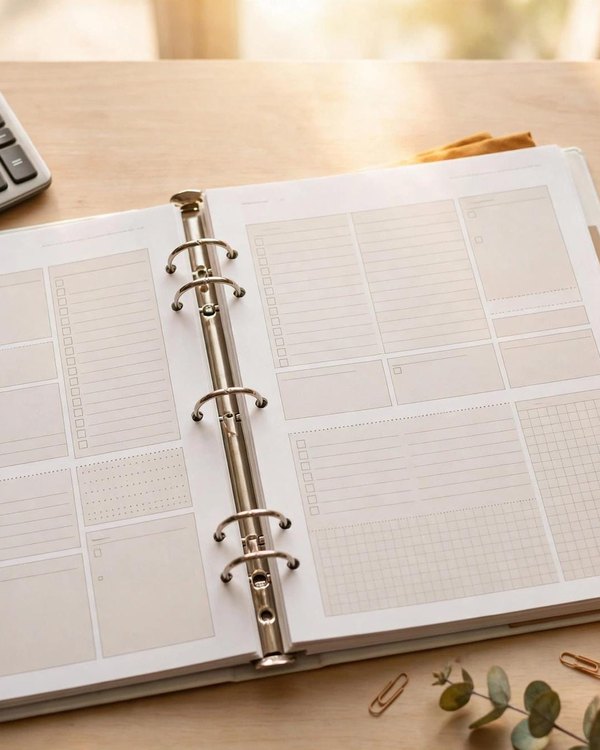
Everything here runs on paper or in a simple printable you work through yourself. No subscriptions, no software to learn, no monthly fee. You print the pages, write the real numbers, and the picture of your business gets honest fast. The learning curve is zero: if you can write numbers in boxes, you can run these pages.
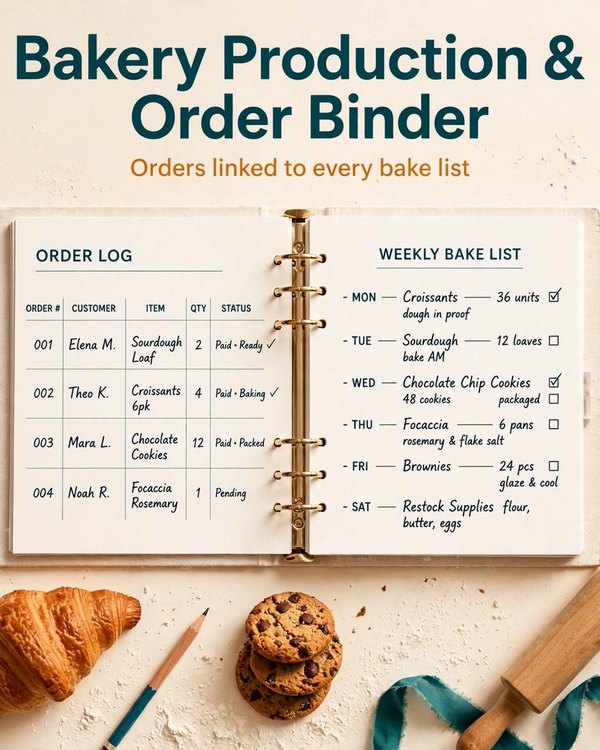
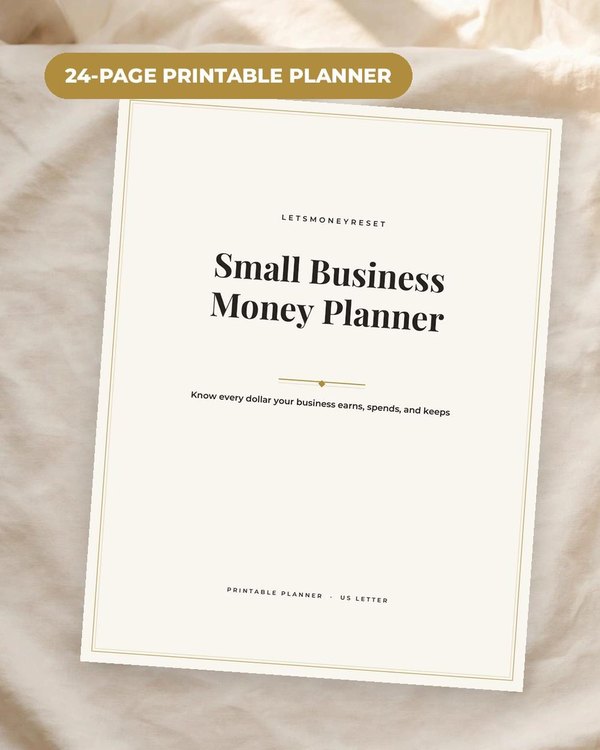
The small business money planner is the general bookkeeping home base: income, expenses, and monthly profit in one printable system. Around it sit the specialists. The side hustle income tracker takes a gig or freelance income from idea evaluation through monthly profit and loss. The bakery production order binder links every order to its bake with recipe costing built in. Each one handles a single job well instead of handling every job badly, which is why owners mix and match them into a custom bookkeeping setup.
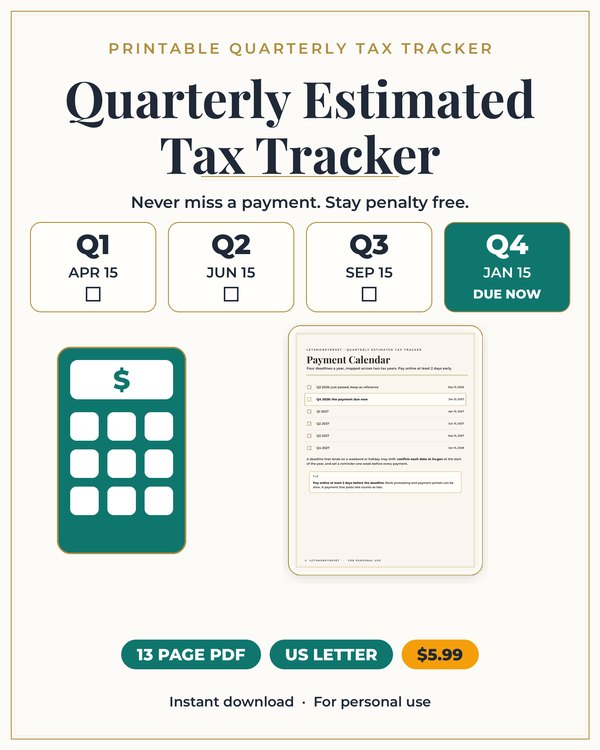
For property owners there are two binders: the small landlord rental binder for day to day rental tracking and the landlord profit bundle for the bigger financial picture. Service businesses get the cleaning business day profit tracker and the printable quarterly tax planner keeps estimated taxes from ambushing anyone. The whatnot live show profit pack covers live selling, the realtor sphere of influence planner covers commission based relationship tracking, the teacher classroom budget tracker covers classroom spending, and the UK MTD sole trader bookkeeping pages serve British sole traders. Together they cover the full money life of a tiny business, from first idea through tax season.
These are for solo operators and tiny teams: freelancers, cottage food bakers, landlords with a few doors, cleaners, resellers, tutors, creators, realtors, teachers spending their own money on classrooms. If the business is basically you plus a system, these pages are the system. The common thread is irregular money and full responsibility: nobody else is tracking this, so the pages have to make it easy.
They are also for the pre business stage. The side hustle tracker starts with evaluating ideas before you spend anything, and the tax planner works from the first dollar of self employment income. You do not need to feel like a real business yet. The pages treat you like one anyway. Start small, with the pages that match your biggest worry, and add the rest as the business grows.
Small business finances die in two places: mixing business money with personal money, and never quite knowing the real numbers. Printable trackers attack both. Writing income and expenses by hand forces the separation, because the business pages are physically not the personal pages. The pages also create a paper trail that matters at tax time and in any dispute, because written records beat memory every time.
The second benefit is cost honesty. Software shows you revenue beautifully and hides the rest. A profit and loss worksheet you fill in yourself shows every expense line you wrote, which is why owners using these pages so often discover the same thing: the business earns more than they thought and keeps less than they hoped. That discovery is the beginning of fixing it. That kind of clarity is hard to get from software built for companies with accounting departments, and easy to get from pages built for you.
What did today actually pay per hour?
Buy on Etsy See detailsRun your cottage bakery like a business, not a sticky note pile.
Buy on Etsy See detailsRun your rentals like a real business.
Buy on Etsy See detailsPlan your quarterly estimated taxes on paper.
Buy on Etsy See detailsThe paper system for the follow up work that actually closes deals.
Buy on Etsy See detailsTurn your spare hours into real profit.
Buy on Etsy See detailsThe money side of your one person business in one calm system.
Buy on Etsy See detailsYour whole portfolio's money picture in one binder.
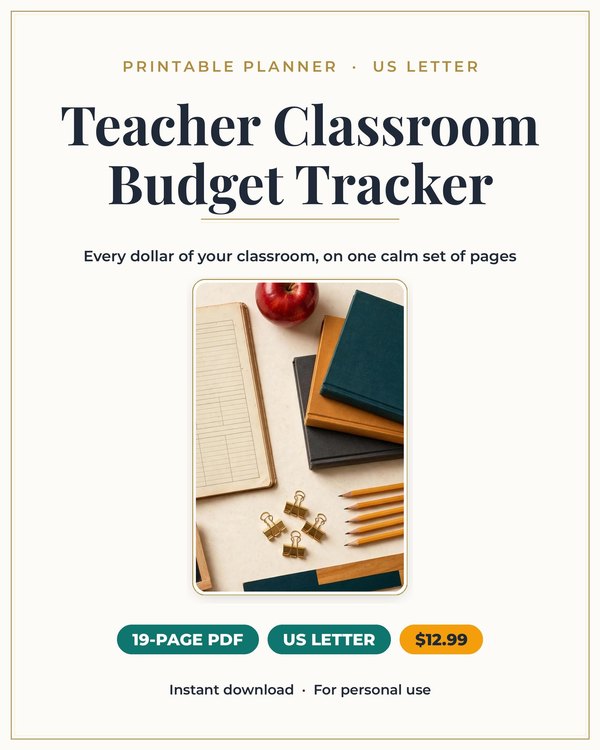
Buy on Etsy See detailsThe finance planner built for teachers who spend their own money on their classrooms.
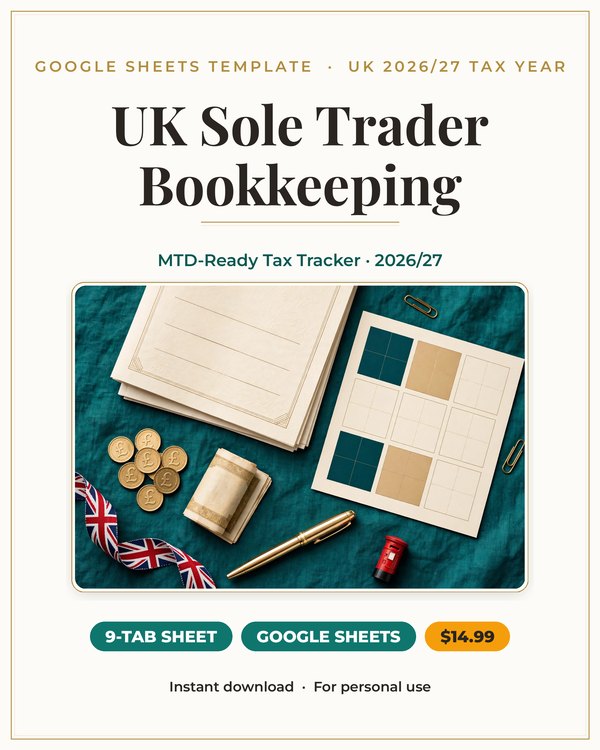
Buy on Etsy See detailsMTD ready books for UK sole traders. Quarterly HMRC updates in minutes, not a weekend.
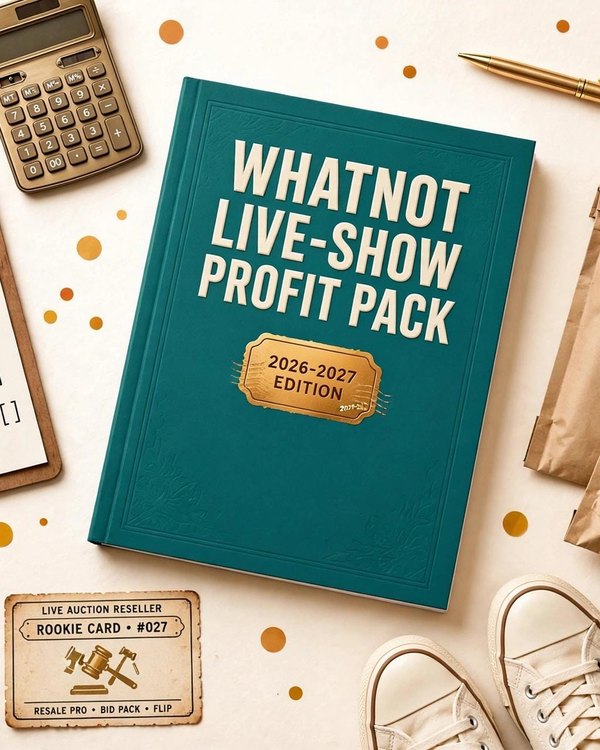
Buy on Etsy See detailsKnow your real profit per show, not just what sold.
Buy on Etsy See detailsA printable budget built for variable, self employed income.
Buy on EtsyThe planners shoppers in this collection open first.
Our free money tools cover appeals, school plans, and fertility costs.
See free toolsWhat buyers ask before choosing a business and side hustles planner.
No. They are printable planners and trackers you fill in yourself. They organize your income, expenses, profit, and taxes on paper. For filing and tax strategy, take your completed pages to a qualified tax professional. Print what you need, skip what you do not, and reprint the working pages as they fill up.
If you run a general small business, start with the small business money planner. If you have gig or freelance income, start with the side hustle income tracker. Landlords start with the rental binder, and anyone with self employment income should grab the quarterly tax planner early.
The printable quarterly tax planner is built for estimated taxes: setting aside the right amount as income comes in and tracking what you have saved toward each quarterly payment. It organizes the numbers. It is not tax advice and does not file anything for you.
Yes. Print a fresh set of tracking pages per business or income stream and keep them in separate sections of one binder. The side hustle tracker's 90 day scorecard is especially useful for comparing two income streams honestly against each other.
The collection is designed for US Letter paper, with the UK MTD sole trader pages as the exception for British users. Print at 100 percent scale for the layouts to look as intended.
One page, ten minutes, your whole month on paper. Join the list and we will send it to you.
No spam, ever. Unsubscribe anytime.