Teacher Classroom Budget Planner
The finance planner built for teachers who spend their own money on their classrooms.
$3.25 $12.99
Buy on Etsy →


Business and Side Hustles
The paper system for the follow up work that actually closes deals.
Every agent has a lead tracker. Internet leads, open house sign ins, Zillow inquiries. But ask most agents where their actual closings come from and the answer is the same: past clients, referrals, and people they already know. Your sphere of influence closes more deals than your lead funnel, yet it is the part of the business with no system.
This printable planner is that system. It organizes your sphere of influence, past clients, referrals, pop bys, handwritten notes, birthdays, and home anniversaries in one paper command center. The follow up work that actually generates business finally has a home.
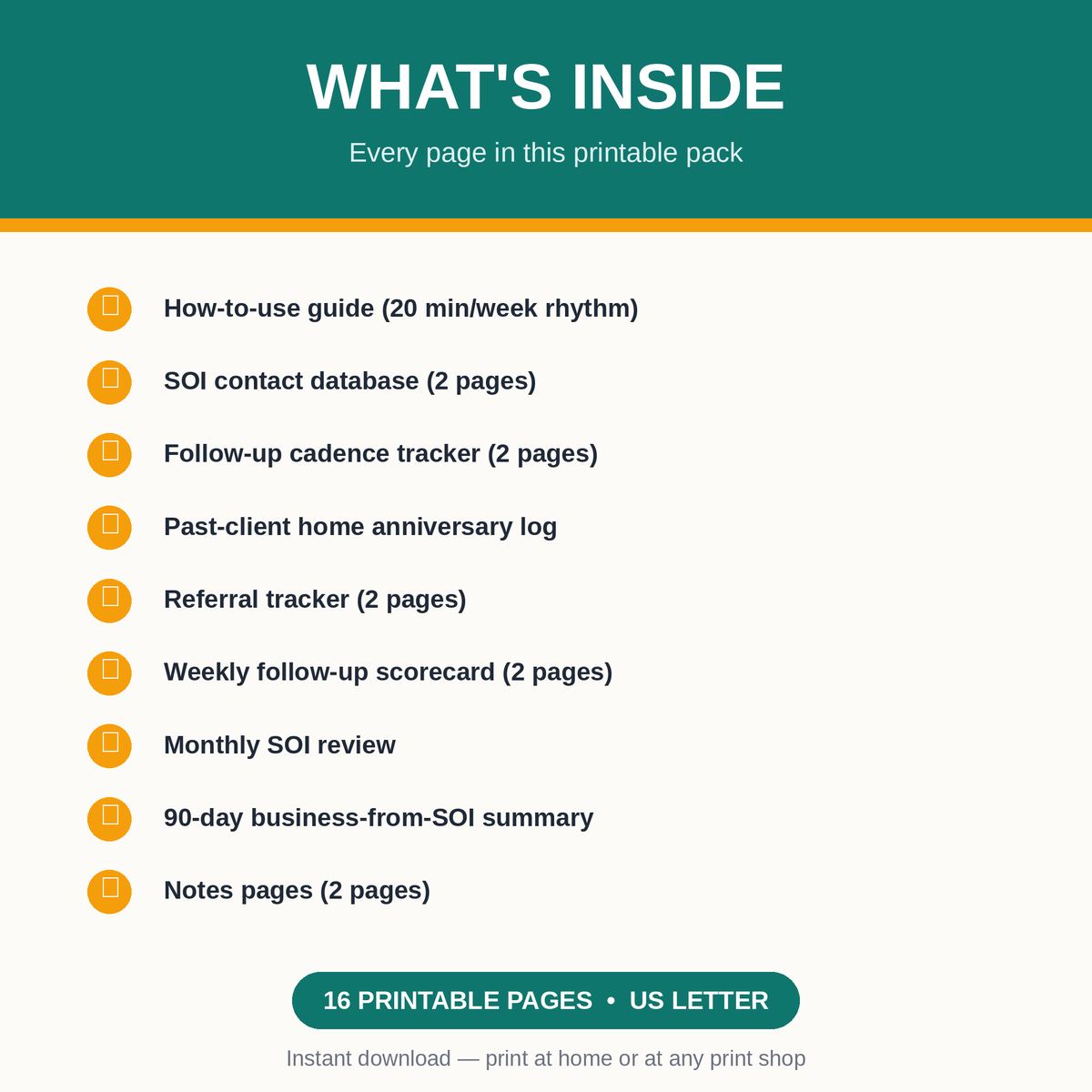
The foundation is a 40 entry SOI contact database. Each contact gets a warmth score plus last touch and next touch dates, so you always know who you talked to, how warm the relationship is, and when to reach out next. The weekly follow up cadence tracker turns those dates into a weekly action list.
Around the database sit the relationship pages: a past client home anniversary log, because the anniversary of a purchase is a natural reason to call; a pop by planner for scheduling in person drop ins; a handwritten note tracker, because a real note beats an email every time; a referral tracker for following every introduction to its outcome; and a weekly scorecard to measure what you actually did.
Monday morning, open the follow up cadence tracker. It tells you who is due for a touch this week based on the next touch dates in your database. Some weeks that is three calls, some weeks it is ten plus a pop by route. The planner turns I should follow up with people into a specific list of names.
Through the week, log every touch: calls, notes sent, pop bys completed, referrals received. Friday, fill in the weekly scorecard. How many touches? How many referrals came in? How many anniversary calls? The scorecard is honest in a way feelings are not. Agents who measure their follow up do more of it, and more of it is what closes deals.
The planner is built around the touches top producers swear by. Home anniversary calls: you sold them the house three years ago, you call to congratulate them, you ask how the kitchen remodel went. Pop bys: you drop off something small, you stay five minutes, you are remembered. Handwritten notes: two minutes to write, kept on refrigerators for months.
None of this is complicated, which is exactly why it gets skipped without a system. The planner's job is to make the simple things scheduled, trackable, and impossible to forget. Birthdays get logged. Anniversaries get logged. Every note you send gets logged, so no client ever gets two notes in a month while another gets none all year.
It is for new agents building a sphere from scratch who need to know what to do with the 200 contacts in their phone. It is for experienced agents whose business runs on referrals but whose follow up runs on memory and sticky notes. And it is for team leads who want every agent working the same follow up system.
If your CRM already handles this perfectly, you do not need the planner. But if your CRM is where contacts go to be forgotten, paper might be the upgrade. Many agents run both: CRM for compliance and email, this planner for the actual relationship work.
Follow up is a desk activity, not a screen activity. A paper database on your desk is visible all day; a CRM tab is visible when you remember to open it. Writing a contact's name by hand, scoring the warmth of the relationship, noting the last conversation: the physical act keeps people top of mind in a way data entry never does.
The 40 entry database is sized for a working sphere, not a fantasy one. Most agents' real sphere, the people they could plausibly call this quarter, fits in 40 entries. When yours grows past that, print another database section. Quality of relationships beats quantity of contacts, and the warmth score keeps you honest about which is which.
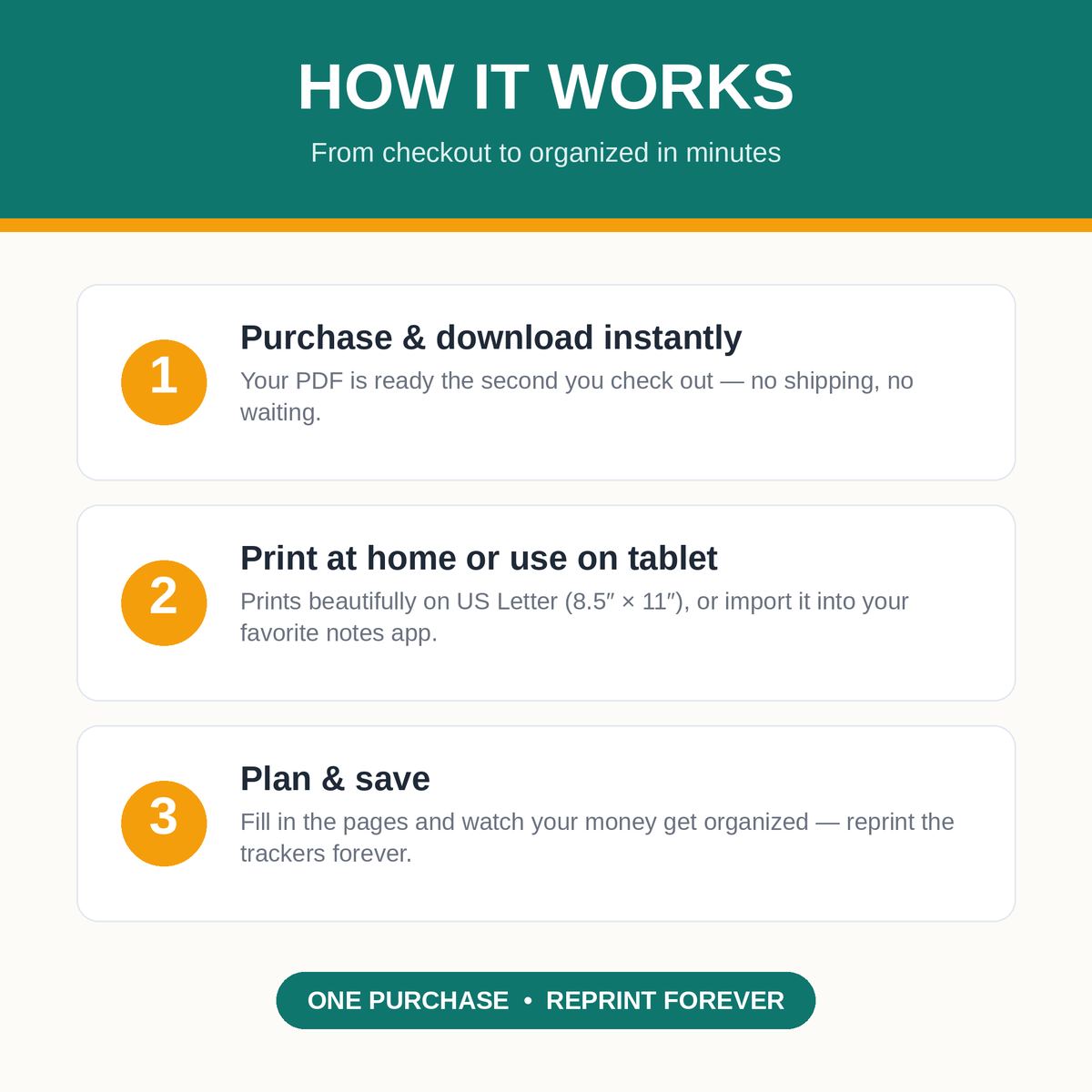
Download the PDF and enter your sphere into the 40 entry database, scoring each relationship's warmth honestly.
Each Monday, pull your due touches from the cadence tracker and work the list through the week, logging calls, notes, and pop bys.
Fill in the weekly scorecard every Friday and watch your follow up consistency, and your referral business, compound.
What buyers ask before downloading this planner.
If your CRM genuinely drives your daily follow up, keep using it. This planner is for agents whose CRM is a contact graveyard. Paper keeps the sphere visible on your desk all day, and many agents run both: the CRM for compliance and drip campaigns, the planner for the human relationship work.
40 entries per printed database section. That covers most agents' true working sphere. If your sphere is larger, print additional database pages; the purchase covers unlimited reprints for your own use.
Your honest rating of how warm each relationship is, from cold contacts you barely know to raving fans who send you referrals. The score tells you what kind of touch fits: a cold contact gets a light check in, a warm one gets the personal call. Update scores as relationships develop.
No. This is a relationship and follow up system, not transaction management. It tracks the people work that leads to deals; your brokerage tools handle the deals themselves.
Yes. Print a copy per agent and everyone works the same follow up rhythm with the same scorecard. Team leads can review scorecards in meetings without needing CRM admin access.
US Letter, standard home printer size. It lives well in a binder on your desk next to your phone.
Planners from the same collection, built to work together.
The finance planner built for teachers who spend their own money on their classrooms.
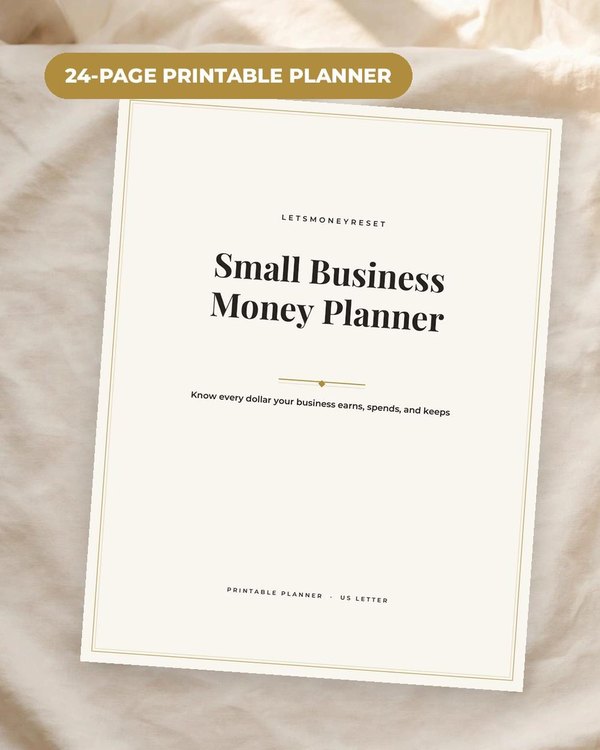
The money side of your one person business in one calm system.

Join the list and get the free monthly budget worksheet plus first word on new planners.
No spam, ever. Unsubscribe anytime.