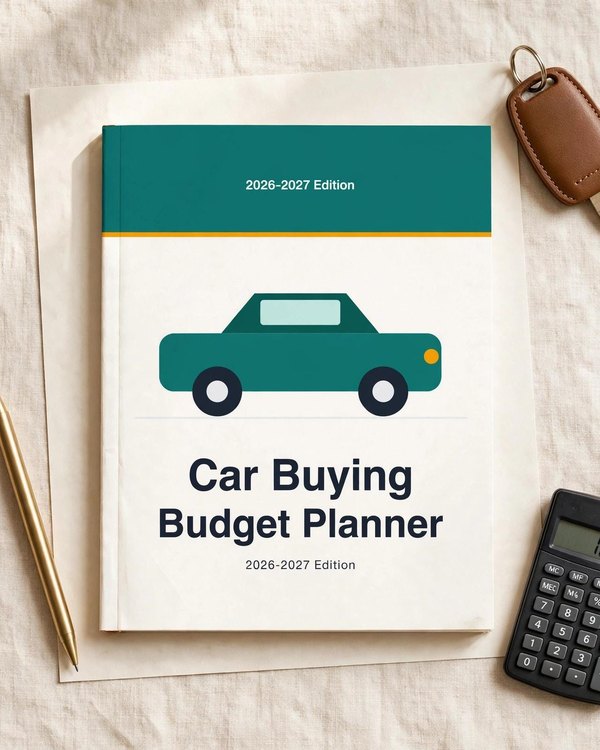
Car Buying Budget Planner
$2.00 $7.99
Don't let the dealership do your math for you.
Buy on Etsy See detailsShop by need
Weddings, moves, home buying, retirement, and other big moments, budgeted calmly.
Your everyday budget is built for ordinary months. Life events are not ordinary months. A wedding, a move, a divorce, a job loss, buying a home: each one rewrites your income, your expenses, or both at the same time you are making emotional decisions under pressure. That combination is where money mistakes happen, and they are the most expensive mistakes most people ever make.
A dedicated planner for the event gives the money side its own container. Instead of the wedding bleeding into your grocery budget, or the move quietly going on a credit card, every cost of the transition lives in one place where you can see it, plan it, and control it. The event ends. The plan keeps you standing when it does, with no mystery debt waiting in the aftermath.
Consider the wedding planned in a notes app. Quotes live in email threads, deposits are due on dates nobody wrote down, and the final headcount changes the catering bill two weeks out. Couples who plan this way routinely overspend by thousands, not because they are careless but because no single place ever showed them the real total until it was too late.
Or the move planned in someone's head. Three mover quotes never compared side by side, utility deposits forgotten until move in week, the security deposit on the old place lost to a missed walkthrough item. The moving planner exists because every one of these costs is predictable and every one of them gets missed without a system. The pattern repeats for home buying, car buying, and renovations: the event has a known set of costs, and winging it means paying more of them than you needed to.
The collection covers the major financial transitions, happy and hard alike. The Wedding Budget Planner tracks vendors, deposits, and guest counts across 17 printable pages, and the Wedding Budget Command Center does the same job as a live Google Sheets workbook with formulas. The Moving Budget Planner keeps quotes, an 8 week timeline, packing inventory, and address changes on paper from two months out to the final walkthrough.
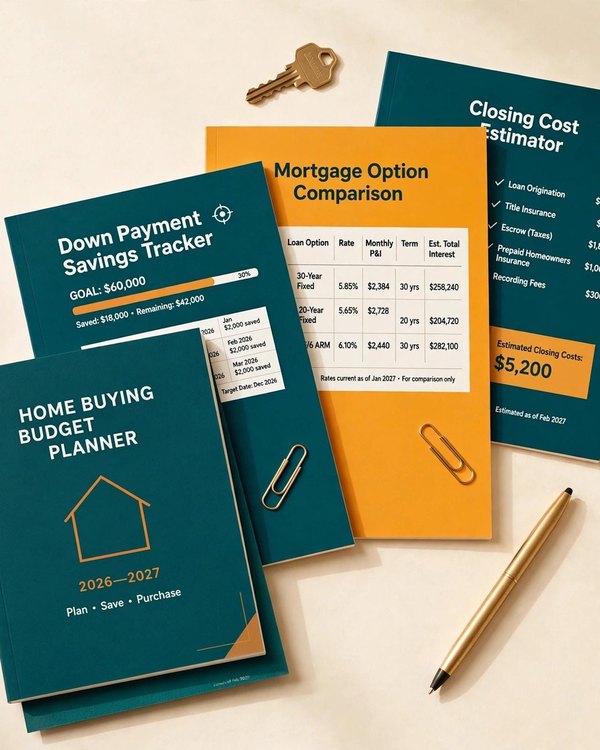
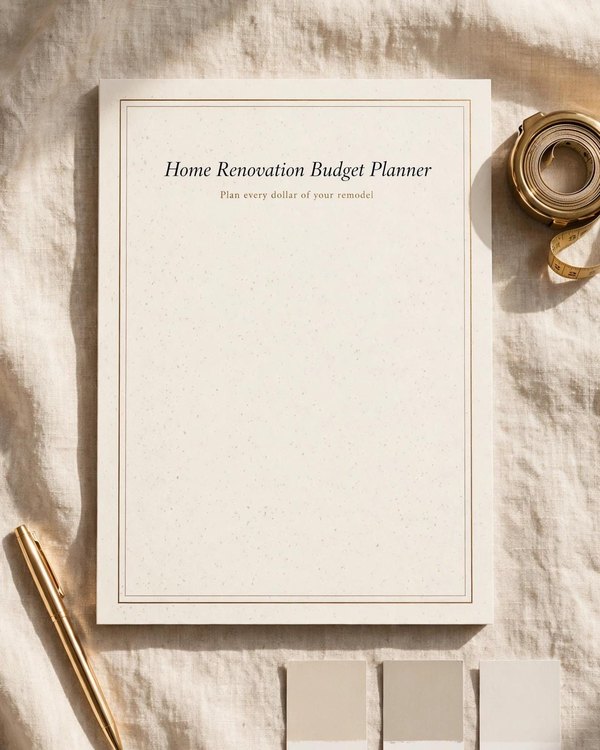
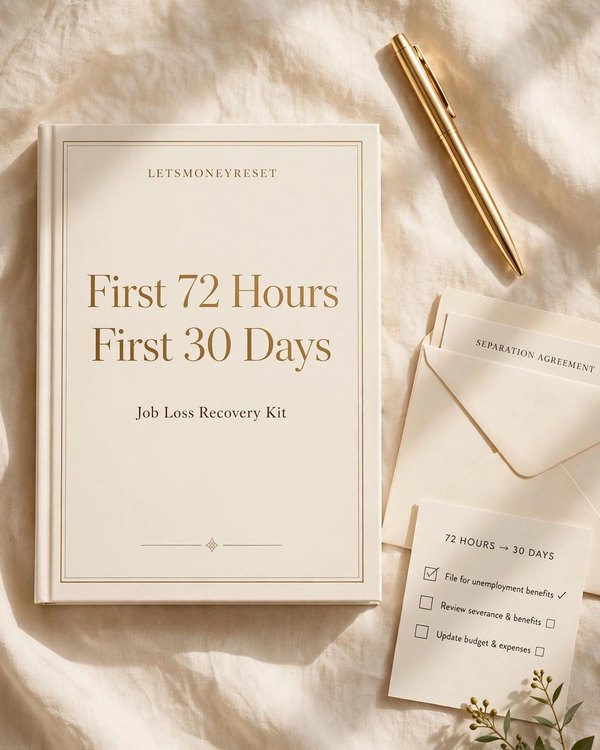
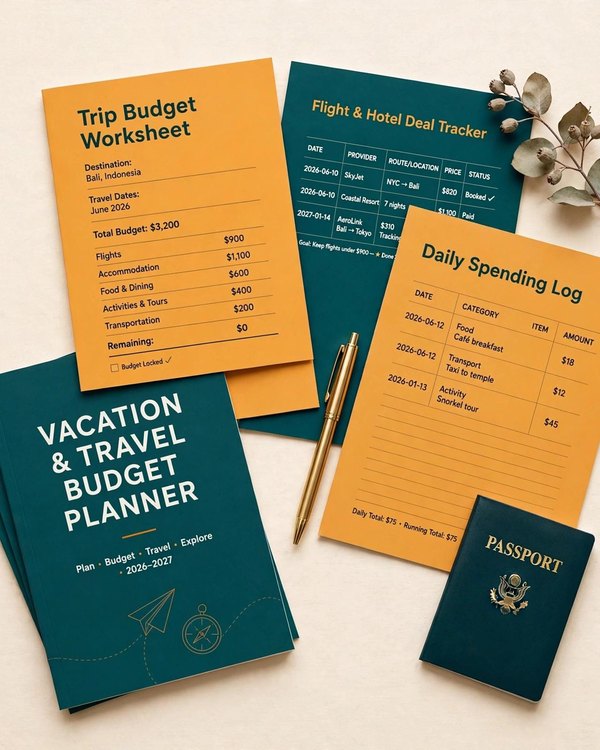
The Home Buying Budget Planner walks first time buyers from the affordability worksheet through down payment milestones, mortgage comparison, and closing costs. The Car Buying Budget Planner applies the 15/20 rule to your income, runs new vs used cost math, and hands you a negotiation checklist for the lot. For the harder transitions, the Divorce Financial Planner organizes asset division and legal fee tracking, the Job Loss Recovery Planner steadies the weeks after a layoff, and the Retirement Budget Planner turns Social Security, pensions, and savings into one calm monthly plan. The Home Renovation Budget Planner and the Travel Budget Planner round out the set for big planned spends.
Start before the event if you can. A wedding planner opened at engagement gives you a year of control. A home buying workbook started six months before you shop gives you an affordability number before any lender does. A retirement planner opened a year out turns a cliff into a ramp. Even a moving planner started 8 weeks out beats starting the week of.
Work the pages in order. Each planner is sequenced so early pages feed later ones: affordability before house hunting, budget before vendor booking, inventory before packing. Share the relevant pages with the people involved: partners, co parents, family contributing to costs. One shared source of truth prevents most of the money arguments that strain relationships during transitions.
Keep the planner after the event ends. Next time you move, buy a car, or plan a trip, last time's numbers are the best estimates you will ever get. A completed planner becomes a personal price book for your own life.
There is a reason these are printable. In high stress moments, paper is calmer than apps. You can spread the pages on a table, hand the moving checklist to a partner, bring the mortgage comparison to the lender meeting, carry the negotiation checklist onto the car lot. Nothing needs a login, a charge, or a signal, and nothing pings you while you are trying to think.
Every planner in the collection is undated and reusable. Life events do not run on calendar years, and neither do these pages. Print what you need, when you need it, and keep the binder as the record of how you got through it. Years later, the divorce planner or the moving binder reads like proof: you handled it, on paper, one page at a time.
Don't let the dealership do your math for you.
Buy on Etsy See detailsDivorce is overwhelming enough. Your money shouldn't add to the chaos.
Buy on Etsy See detailsThe biggest purchase of your life, planned on paper instead of in your head.
Buy on Etsy See detailsThe money side of your renovation, kept calm on paper.
Buy on Etsy See detailsA calm written plan for the layoff, the severance, and the search.
Buy on Etsy See detailsMove without blowing your budget.
Buy on Etsy See detailsA calm system for managing money on a fixed income in retirement.
Buy on Etsy See detailsTake the trip without the post trip credit card regret.
Buy on Etsy See detailsPlan the wedding you want at a price you can actually afford.
Buy on Etsy See detailsTrack injections, appointments, and the emotional load in one binder.
Buy on EtsySupport and structure for the hardest two weeks of trying.
Buy on EtsyThe planners shoppers in this collection open first.
What buyers ask before choosing a life events planner.
Match the planner to the transition: wedding, moving, home buying, car buying, divorce, job loss, retirement, renovation, or travel. Each one is built around the specific money decisions of that event, not generic budgeting advice.
No. Every planner in the collection is undated, because life events do not follow calendar years. Start any page in any month and reprint pages as often as you need.
Yes, and you should. The life event planner handles the transition's costs while your regular budget handles ordinary months. Keeping them separate is what stops the event from swallowing your everyday money.
No. These are organizational tools for planning and tracking. The divorce and retirement planners in particular note that they are not substitutes for qualified legal, tax, or financial professionals.
Yes. They are US Letter PDFs designed for home printing, and they also work in tablet note apps with a stylus if you prefer to keep things digital.
One page, ten minutes, your whole month on paper. Join the list and we will send it to you.
No spam, ever. Unsubscribe anytime.