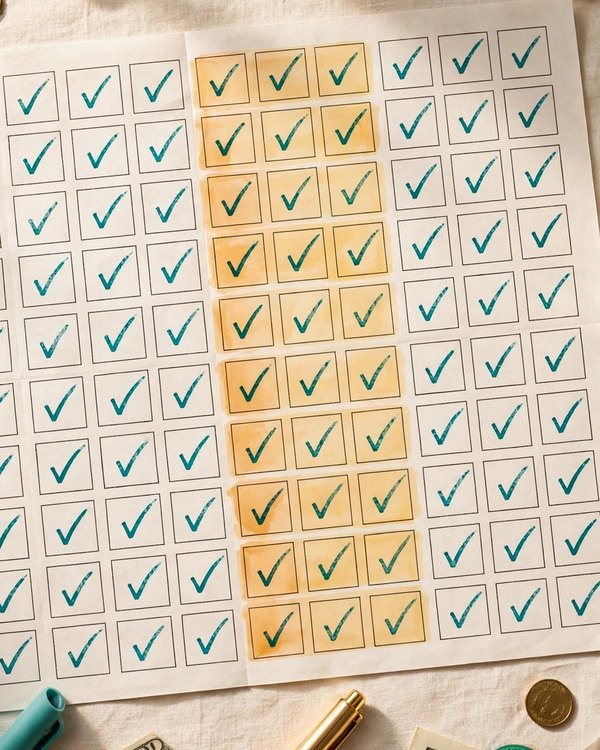
52 Week Money Challenge 2027 Printable
Save $1,378 in 2027, one weekly deposit at a time.
$1.50 $5.99
Buy on Etsy →
Budget Planners
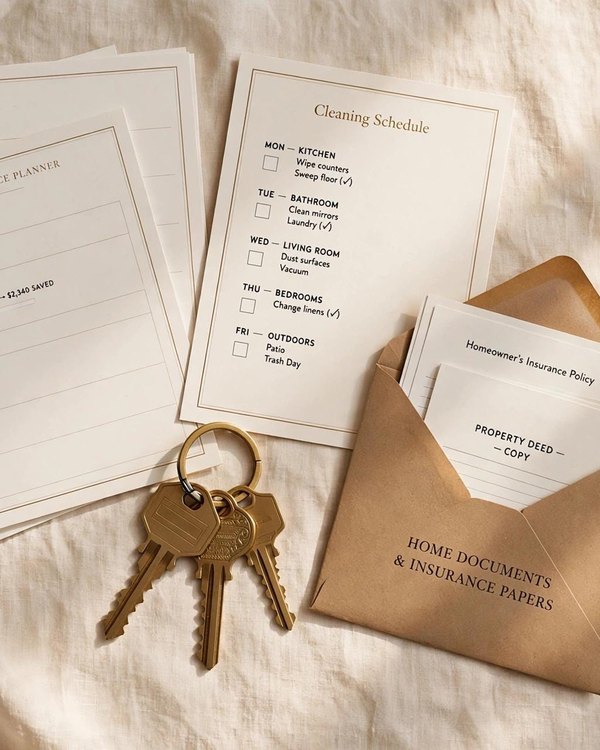
Bills, maintenance, and the whole household in one binder.
A household has more moving money parts than most small businesses: bills with different due dates, subscriptions that renew quietly, repairs that arrive unannounced, insurance policies in a drawer somewhere. This 24 page printable binder puts all of it in one place.
The core is the bill tracker. Every bill, every due date, every amount, on pages you can see at a glance. Missed due dates usually come from disorganization, not from a lack of money. A single tracker fixes that.
Around the bills sit the funds that keep surprises from becoming debt: sinking funds for big future costs, and a home maintenance fund built on the 1 percent rule.
The 1 percent rule says to budget about 1 percent of your home value per year for maintenance. The binder walks you through turning that rule into a monthly savings target, then gives you sinking fund pages to track the buildup.
Sinking funds work for the costs you know are coming but not when: the roof, the water heater, the car tires. You fund them a little each month so the bill lands on savings, not on a credit card.
The binder also includes a subscription audit. Those small monthly charges add up to real money, and the audit page forces a keep or cancel decision on every one.
Insurance policies, the home inventory, important documents, service providers, emergency contacts. In most homes these live in five different places. The binder gives each a page in one section.
The home inventory page matters more than people think. If you ever file an insurance claim, having a written record of what you own changes the conversation. Fill it in once, update it yearly.
Emergency contacts and provider numbers in one spot mean anyone in the household can find the plumber, the insurance agent, or the poison control number without digging through a phone.
The binder opens with one clearly labeled worked example. You see a filled in page before you ever touch a blank one, so there is no guessing about what goes where. After that page, every tracker is blank and writable, ready for your household numbers.
US Letter pages print cleanly at home or at a copy shop. Put them in any standard binder with dividers and you have a household command center.
Because nothing is dated, the system works this year and next. Print fresh monthly tracker pages as you need them and the reference pages stay put.
This binder is for homeowners and renters who feel like the household money is scattered. If bills live in your inbox, due dates live in your head, and repair costs land on credit cards, this brings it together.
It suits first time homeowners especially well. The 1 percent rule and the sinking fund pages teach the maintenance habit before the first big repair bill arrives.
If your household finances are already in a spreadsheet you love, this may duplicate what you have. The binder wins for people who want one visible, physical system the whole household can use.
The best household system is the one everyone can find. A binder on a shelf beats a spreadsheet on one person's laptop, because partners, roommates, and older kids can all open it. The emergency contacts and provider pages alone are worth the shelf space.
Label the spine, keep it where the household paperwork lives, and review it once a month. Fifteen minutes with the bill tracker and the sinking fund pages keeps the whole system honest. Households do not need perfect systems. They need one system everyone trusts.
Print the binder and read the worked example page, which shows exactly how each tracker gets filled in.
Fill in your bills, subscriptions, insurance and contacts. Set your maintenance fund target with the 1 percent rule.
Each month, track bills and sinking funds on fresh printed pages. Everything stays in one binder, ready whenever you need it.
What buyers ask before downloading this planner.
Yes. The 1 percent rule page shows you how to set an annual maintenance budget from your home value, then the sinking funds pages break it into monthly targets.
Print it once, then print fresh tracker pages each month or quarter. The system is undated so it works year after year.
The subscription audit walks you through listing every recurring charge and deciding keep or cancel. Most households find at least one charge they forgot about.
Yes. The binder has insurance, inventory, documents, providers and emergency contact pages, all in one section, so anyone in the household can find what matters in a crisis.
Yes, every page is US Letter and prints cleanly at home. The worked example page shows exactly how to fill each tracker before you start on your own numbers.
Planners from the same collection, built to work together.
Save $1,378 in 2027, one weekly deposit at a time.

Turn saving into a game you'll actually finish.
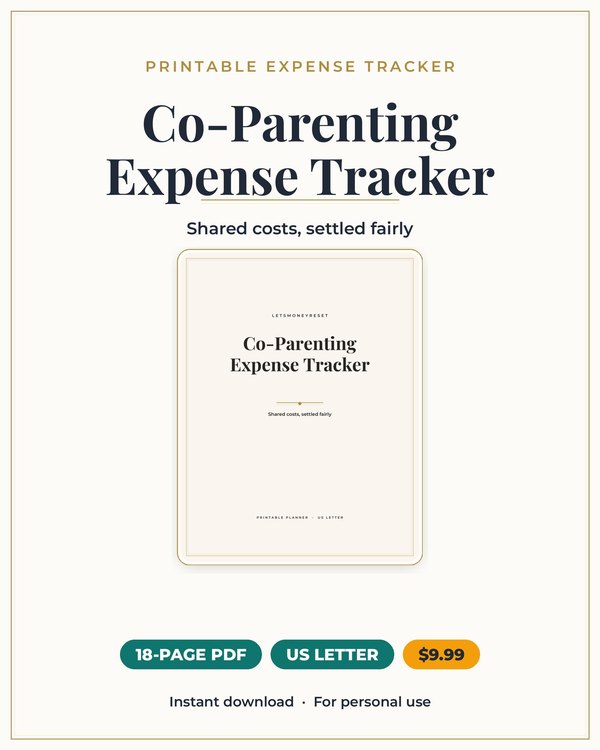
Split kid costs cleanly, with a record you can both trust.
Join the list and get the free monthly budget worksheet plus first word on new planners.
No spam, ever. Unsubscribe anytime.