
Job Loss Recovery Planner
A calm written plan for the layoff, the severance, and the search.
$2.50 $9.99
Buy on Etsy →

Life Events
Do not let the dealership do your math for you.
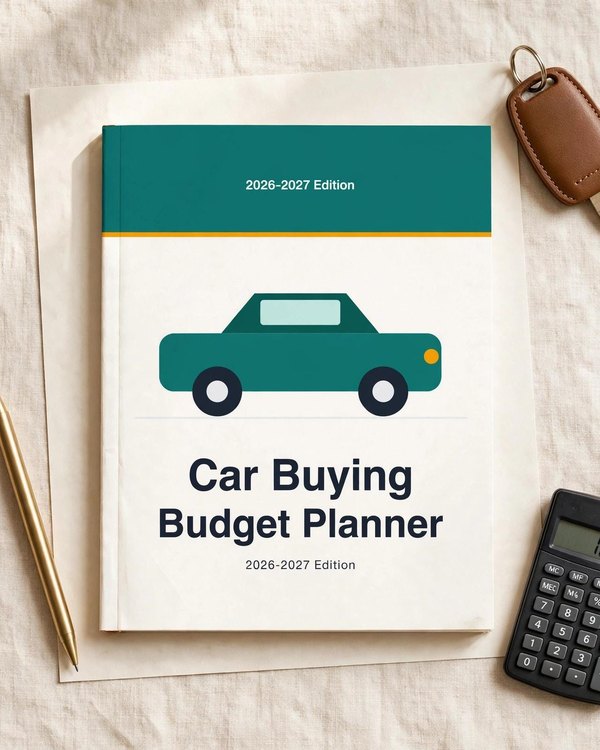
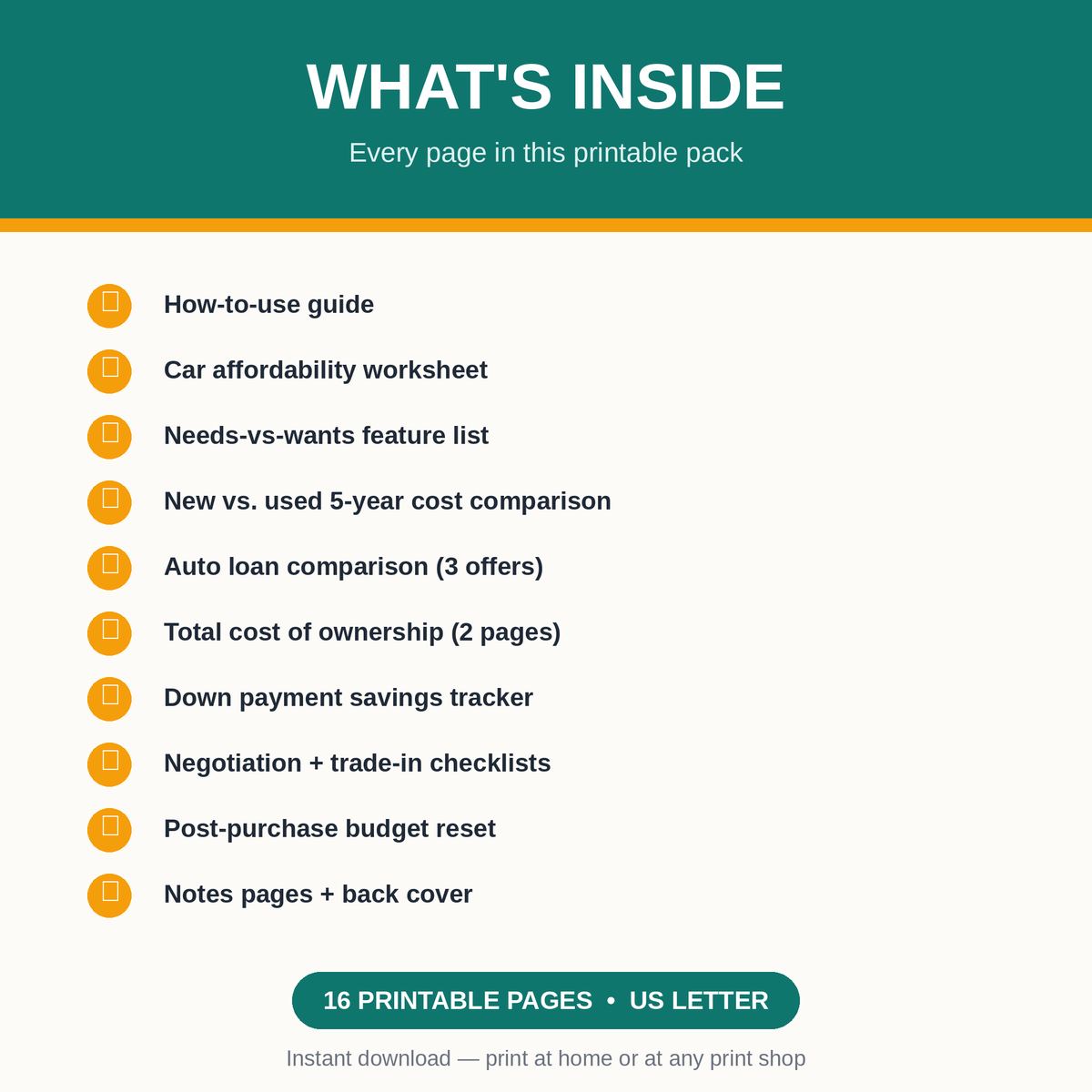
Dealerships are very good at selling you a monthly payment. This 16 page planner makes you very good at knowing what you can actually afford before you walk onto the lot. It starts with your income, your debts, and the 15/20 rule, then compares new vs used with real 5 year cost math, lines up 3 loan offers side by side, and hands you a negotiation checklist to carry in your pocket.
Inside you get a car affordability worksheet, a trade in tracker, a down payment plan, a total cost of ownership worksheet, the loan comparison table, and the negotiation checklist. Every page is blank and writable, ready for your numbers.
The planner opens with the two rules that keep car buyers out of trouble. The 15 percent rule: keep total car costs under 15 percent of your take home pay. The 20 percent rule: put at least 20 percent down. These are not laws, but buyers who follow them rarely regret their purchase, and buyers who ignore them often do.
The affordability worksheet applies these rules to your actual income and debts. It shows you the purchase price range that fits, the monthly payment that fits, and the down payment you need. Walk into the dealership with these three numbers written down and the monthly payment game stops working on you.
The sticker price is the least informative number on a car. The worksheet that matters is total cost of ownership over 5 years: purchase price, interest, insurance, fuel, maintenance, repairs, and depreciation. New cars depreciate fastest in the first years. Used cars cost more in maintenance. The math decides which wins for your situation.
The new vs used comparison page walks you through both sides with real numbers from the cars you are actually considering. Many buyers discover the used car they wanted is barely cheaper than new once financing differences are included. Others discover a 3 year old car saves them five figures. Either way, you decide with math, not vibes.
The 3 loan offer table lines up rate, term, monthly payment, and total interest side by side. The total interest column is the eye opener: a longer term with a lower payment almost always costs thousands more. Seeing the three offers together makes the tradeoff impossible to ignore.
The negotiation checklist is built for the lot. It reminds you to negotiate the out the door price before discussing financing, to get trade in value separately, to decline extras you did not ask for, and to walk away if the numbers move. The single most powerful sentence in car buying is 'I need to think about it,' and the checklist gives you permission to say it.
It is for first time buyers who have never negotiated a car deal, for anyone replacing a car after years of driving the old one into the ground, and for buyers who got burned last time and refuse to repeat it. It is for parents helping a teen buy a first car with real numbers instead of lectures.
If you already know your budget, your loan is preapproved, and you negotiate for sport, you may not need this. Everyone else walks onto the lot at a disadvantage. Sixteen pages fixes that.
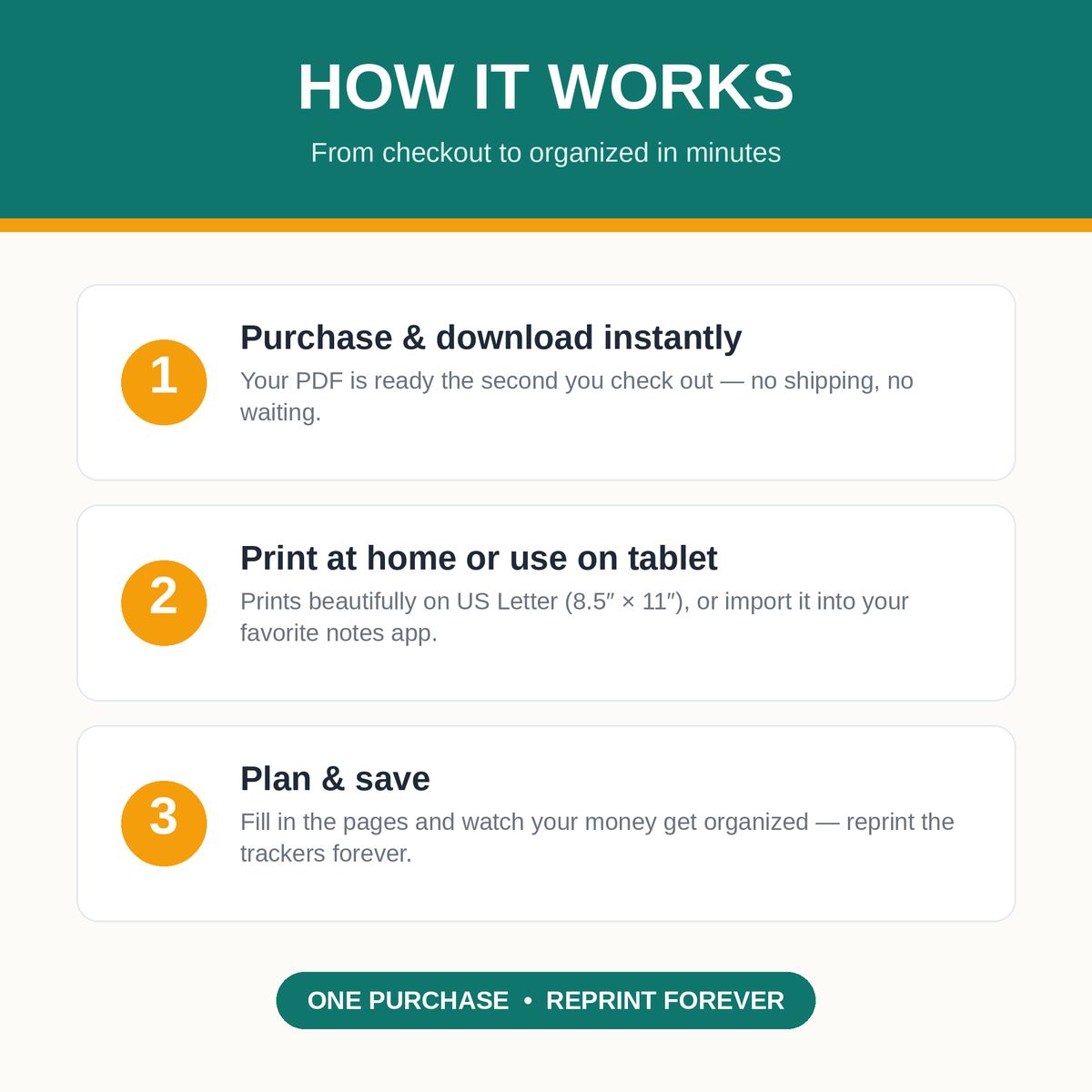
Download and print the planner, then complete the affordability worksheet to learn your price range, monthly payment limit, and down payment target.
Research cars and run the new vs used math, get preapproved, and line up loan offers in the comparison table before visiting any dealership.
Take the negotiation checklist onto the lot, negotiate the out the door price first, and buy only when the numbers match your worksheet.
What buyers ask before downloading this planner.
Keep total car costs under 15 percent of your take home pay, and put at least 20 percent down. The planner's affordability worksheet applies both rules to your actual income and debts to show your price range.
Run the 5 year total cost math in the planner. Compare purchase price plus interest, insurance, fuel, maintenance, repairs, and depreciation for the specific cars you are considering. The answer varies more than most people expect.
Line up at least three offers in the comparison table: interest rate, loan term, monthly payment, and total interest paid. Watch the total interest column, because a longer term with a lower payment usually costs thousands more overall.
Yes. Get your trade in value from multiple sources, document it in the trade in tracker, and negotiate it as a separate transaction from the new car's price. Combining them lets the dealer move numbers between the two.
The monthly payment focus, extended loan terms, add on products in the finance office, and pressure to decide today. The negotiation checklist covers each of these with specific responses.
No. This is an organizational workbook for planning your purchase. It does not provide lending or investment advice. For guidance on your situation, talk to a qualified financial professional.
Planners from the same collection, built to work together.
A calm written plan for the layoff, the severance, and the search.

Divorce is overwhelming enough. Your money shouldn't add to the chaos.

The money side of your renovation, kept calm on paper.
Join the list and get the free monthly budget worksheet plus first word on new planners.
No spam, ever. Unsubscribe anytime.