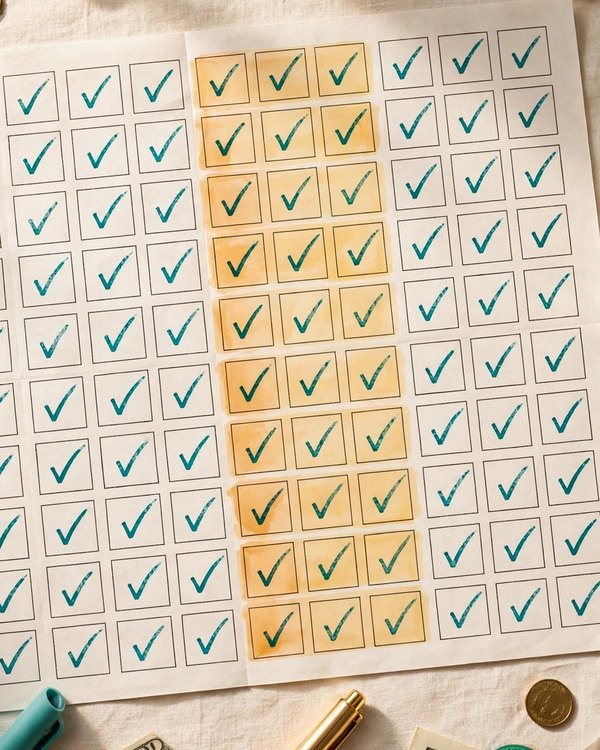
52 Week Money Challenge 2027 Printable
Save $1,378 in 2027, one weekly deposit at a time.
$1.50 $5.99
Buy on Etsy →


Budget Planners
Budget by paycheck, not by month.
Monthly budgets were designed for monthly paychecks. If you get paid weekly or every two weeks, a monthly budget is always slightly wrong: some months have two paychecks, some have three, and bills do not care about your pay schedule.
The result is a familiar chaos. A big bill lands in a two paycheck month, or everything clusters in the wrong week. This planner fixes it by budgeting the way you actually get paid: by paycheck, not by month.
This is a 14 page printable built for weekly and biweekly earners. It uses a zero based budget sheet that gives every dollar a job every payday. Income minus assignments equals zero, which means no dollar drifts off unassigned.
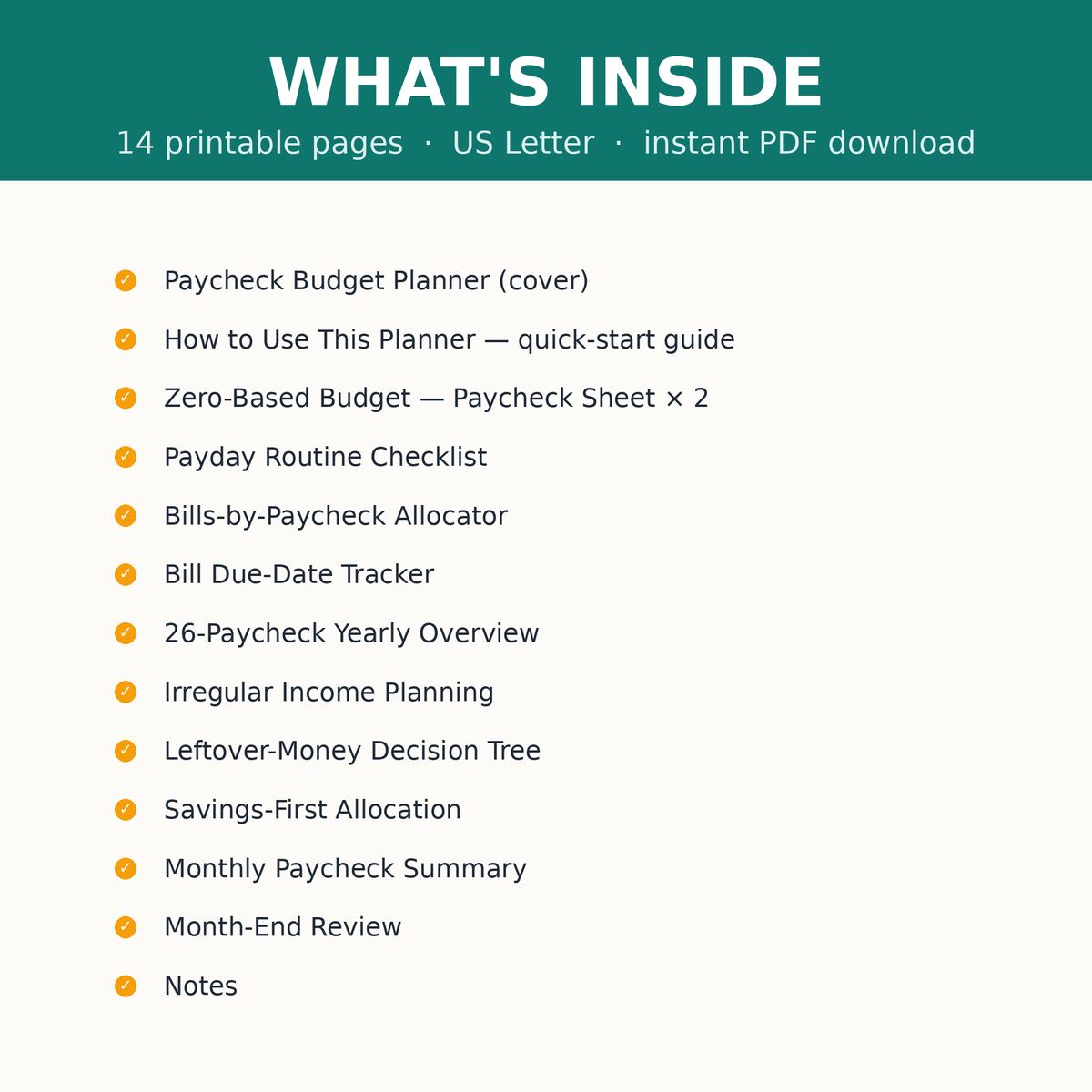
Inside: a weekly pay variant, a payday routine checklist, a bills by paycheck allocator, a 12 month bill due date grid, a 26 paycheck yearly overview, irregular income planning pages, and a leftover money decision tree. Every piece serves the paycheck rhythm.
The zero based budget sheet is the core. Each payday, you write down the check amount and assign every dollar: this much to rent, this much to groceries, this much to savings, this much to debt. When the sheet balances to zero, the paycheck is fully planned.
The bills by paycheck allocator solves the classic biweekly headache: which check pays which bill. Each bill gets assigned to a specific paycheck, so a due date never lands on an empty account. The 12 month due date grid shows every bill across the year, and the 26 paycheck overview maps all 26 checks, including those glorious three paycheck months. The payday routine checklist turns all of this into a repeatable ritual, and the leftover money decision tree makes sure extra cash goes somewhere intentional.
Anyone paid weekly or every two weeks who has ever been surprised by their own bills. Hourly workers, shift workers, and salaried biweekly earners all live on the paycheck rhythm this planner follows.
People with irregular hours or varying checks, because the irregular income planning pages budget from the lowest typical pay instead of hoping. Couples with mismatched pay schedules, because the allocator can handle two rhythms at once. And anyone who has tried monthly budgeting three times and quit: the problem was never you. It was the calendar.
On each payday, sit down with the routine checklist. Write the check amount on a fresh zero based sheet and assign every dollar before you spend any. Pay the bills the allocator assigned to this check. Update the due date grid and the yearly overview.
When a three paycheck month arrives, the decision tree tells that extra check exactly where to go, before lifestyle inflation claims it. When income varies, budget the low number and let the extra be a planned bonus. The whole routine takes about twenty minutes per payday, and it replaces the monthly budgeting session that never quite worked.
Reprint the budget sheets fresh each payday. The grids and allocator are evergreen and last all year.
Payday is a moment, and paper meets it. The zero based sheet filled out with a pen, coffee in hand, on payday morning: that is a ritual. An app notification is an interruption. Rituals stick.
The allocator and grids also benefit from being visible. A 26 paycheck overview taped inside a cabinet door keeps the year in view in a way a phone screen does not. And writing every dollar assignment by hand forces the honesty that makes zero based budgeting work. You cannot auto fill your way past the truth.
The planner is undated and evergreen, so it starts on your next payday, whenever that is.
Most budget printables are monthly sheets with a different cover. This one is built around the paycheck from the ground up: the allocator, the 26 check overview, the payday routine, the weekly variant. The structure follows your money, not the calendar.
The leftover money decision tree is the standout. Most planners go silent exactly when you have extra cash, which is when you need guidance most. This one tells the extra dollars where to go.
And the irregular income pages acknowledge real life. Paychecks vary, hours change, and a planner that only works with perfect numbers is a planner that gets abandoned by February.
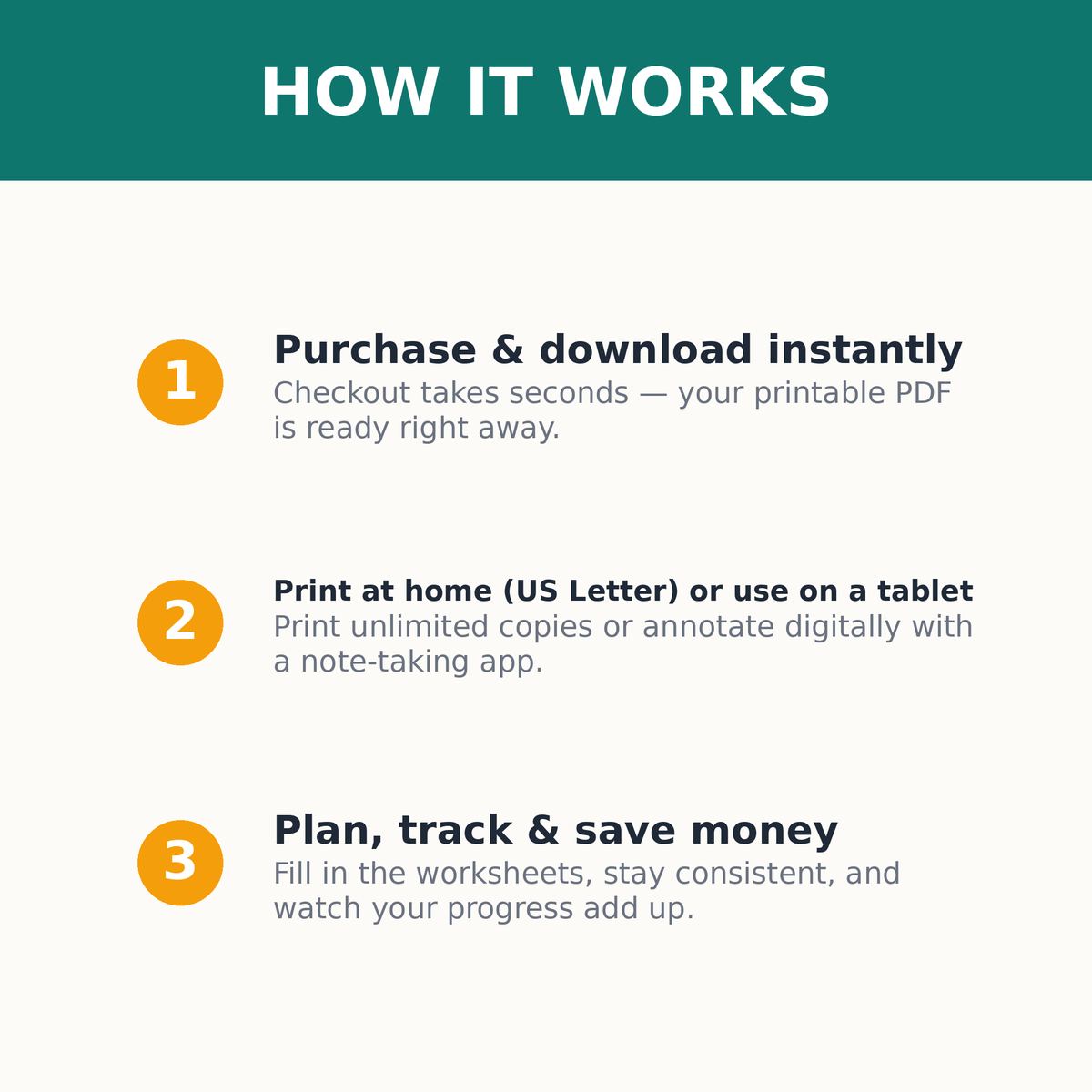
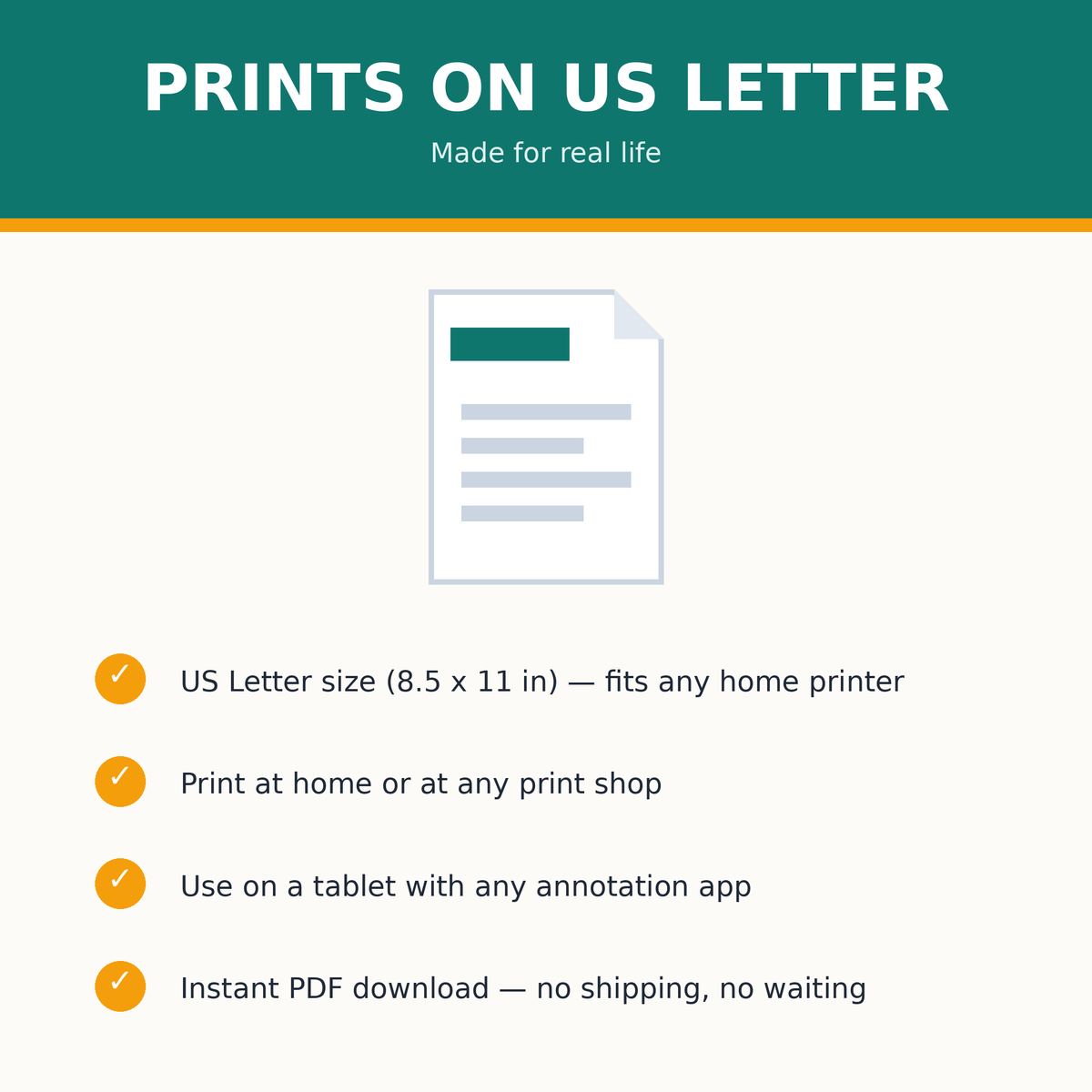
Download the 14 page printable instantly and choose the weekly or biweekly sheets.
Each payday, run the payday routine checklist: give every dollar a job with the zero based budget sheet.
Assign bills to paychecks with the allocator, track due dates on the yearly grids, and send leftover money where the decision tree says.
What buyers ask before downloading this planner.
Yes. The planner includes a weekly pay variant alongside the main biweekly sheets. The zero based method works for any pay frequency: the point is budgeting each paycheck as it arrives, not the calendar month.
Zero based means every dollar of the paycheck gets a job: bills, spending, saving, debt. Income minus planned spending equals zero. It is not about spending everything. It is about deciding where everything goes before the money drifts.
The bills by paycheck allocator assigns each bill to the paycheck that will pay it, which is the whole trick for biweekly earners. The 12 month bill due date grid and 26 paycheck yearly overview keep the full year visible so nothing sneaks up.
The irregular income planning pages help you budget on your lowest typical pay and treat the extra as a bonus with a plan. The leftover money decision tree then tells that extra exactly where to go: savings, debt, or a specific goal.
The payday routine checklist is a short repeatable ritual: allocate the check, pay the assigned bills, update the trackers, decide the leftover. Run it every payday and budgeting stops being a monthly ordeal.
Planners from the same collection, built to work together.
Save $1,378 in 2027, one weekly deposit at a time.
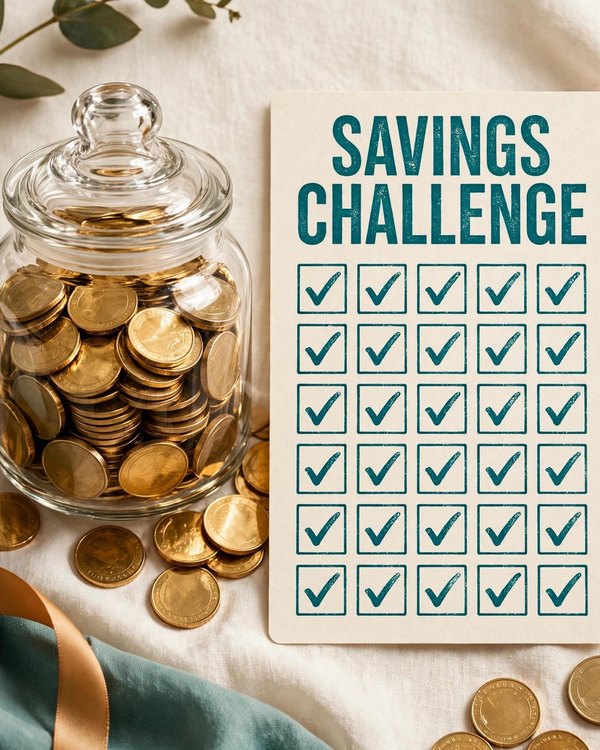
Turn saving into a game you'll actually finish.
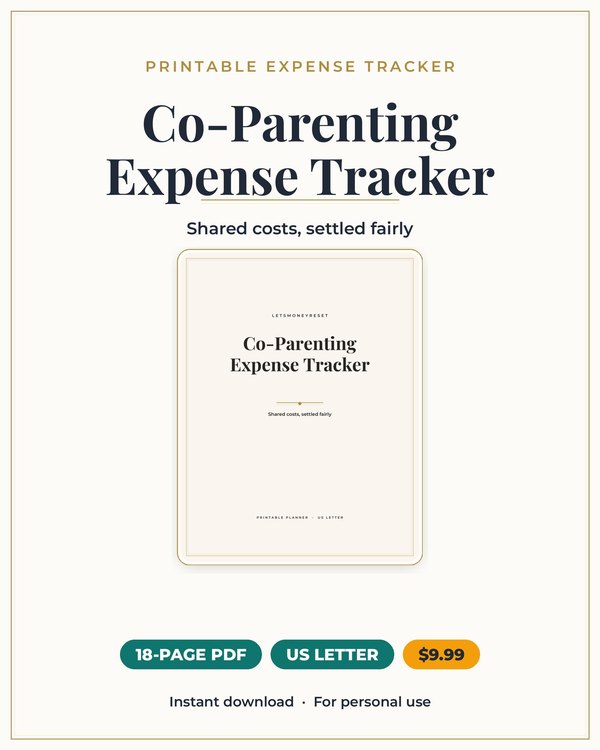
Split kid costs cleanly, with a record you can both trust.
Join the list and get the free monthly budget worksheet plus first word on new planners.
No spam, ever. Unsubscribe anytime.