
Two Week Wait Planner
Structure and support for the hardest two weeks of trying.
$2.50 $9.99
Buy on Etsy →

Family and Kids
Babies are wonderful. Surprise baby costs are not.
Nobody warns you that the crib is the cheap part. The real money in year one hides in plain sight: diapers by the thousand, feeding supplies, the pediatrician copays that add up, childcare that costs more than many mortgages, and the slow drip of clothing a human who outgrows everything in eight weeks.
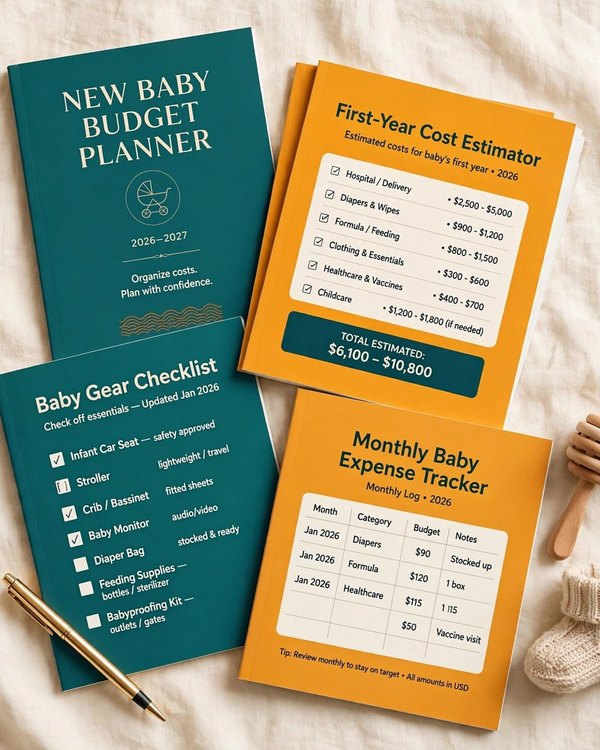
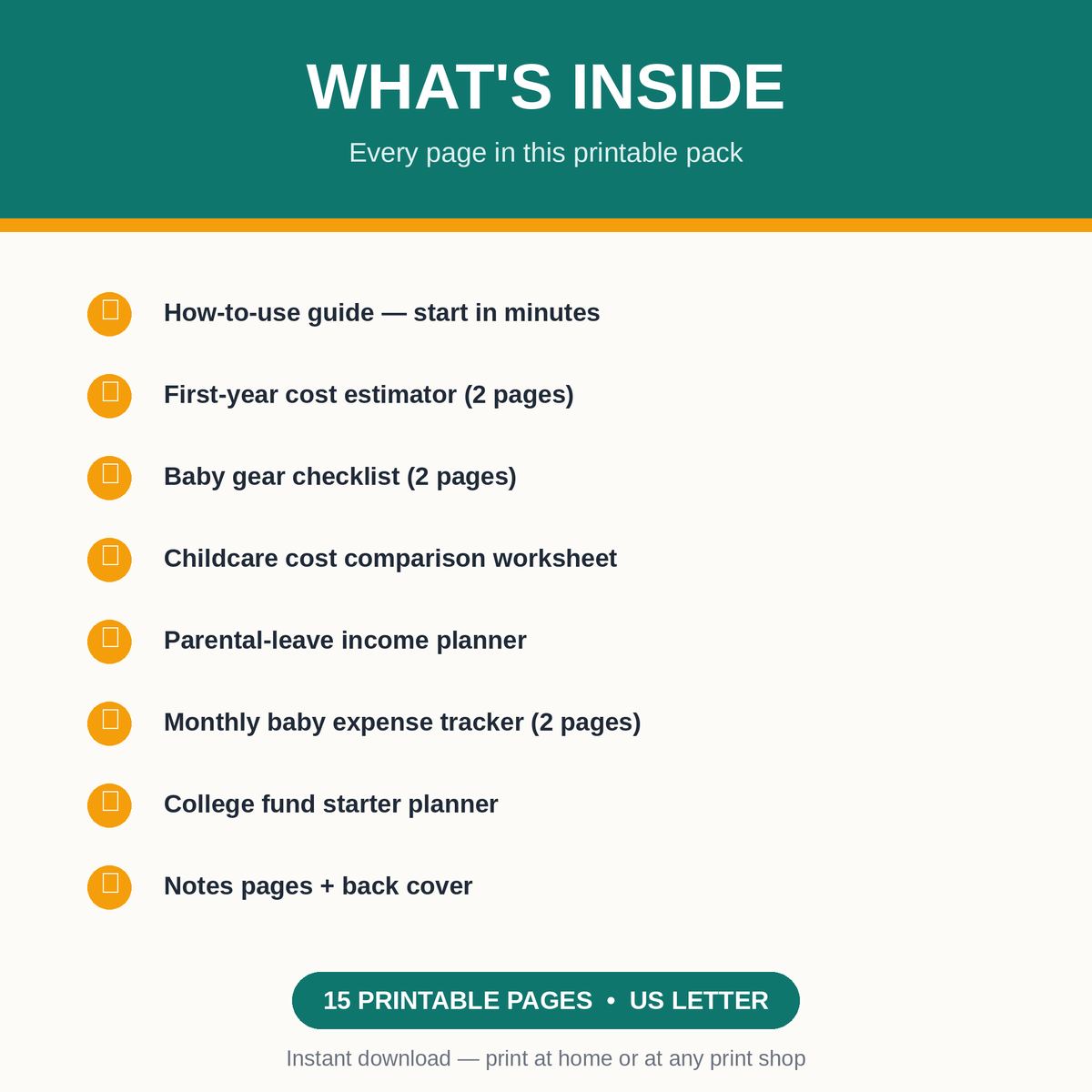
This 15 page printable planner prices out the entire first year before it happens: diapers, feeding, gear, medical, childcare, and clothing, all the way to a grand total summary with a target monthly budget. Surprises become line items, and line items can be planned for.
The estimator walks you through every major category with space for your real numbers, not national averages that may not match your life. You price diapers the way you will actually buy them, childcare the way it actually costs near you, feeding for your actual plan. Then it rolls everything into a grand total for the year.
That grand total becomes your target monthly budget: the year divided by twelve, a number you can build into your household budget today. Expecting parents who do this math in month four of pregnancy make calmer decisions than those who meet the costs as ambushes.
The 30 plus item gear checklist covers everything from the car seat to the nasal aspirator, with space to mark buy, borrow, or skip for each item. It is the antidote to the registry rabbit hole: when every item is listed in one place with a decision column, you stop buying three versions of the same thing.
The childcare cost comparison lays your real options side by side: daycare centers, home daycares, nannies, family help, with true monthly costs for each. And the parental leave budget planner maps your income during leave week by week, so the paycheck gap never arrives as a shock.
The registry budget worksheet keeps gift expectations honest. You list what you hope to receive, what you will buy yourself, and what can wait, so the registry becomes a plan instead of a wish list three times longer than anyone will fulfill.
Once the baby arrives, the monthly baby expense tracker takes over. You log actual spending against the target budget you set during pregnancy. Some categories will run hot, diapers always do, and some will run under. The tracker shows you where, monthly, so year one stays on the rails.
It is for expecting parents in the second trimester, when the excitement is real and there is still time to plan. It is for partners who need to see the numbers together before the baby rewrites the budget unilaterally. It is for grandparents who want to help strategically instead of buying a fourth stroller.
One purchase covers the whole year, from the first ultrasound bills through the first birthday party. Print it once, work the estimator during pregnancy, and live in the monthly tracker for twelve months.
Most baby budget content is either a scary article with a giant national average or a checklist with no prices. This planner connects the two: every item gets your price, every category gets your total, and the whole year gets one honest number at the bottom.
It also respects that every family's choices differ. Breastfeeding or formula, daycare or family help, minimalist or fully stocked nursery: the pages take your inputs instead of assuming them. Your first year, your numbers, your plan.
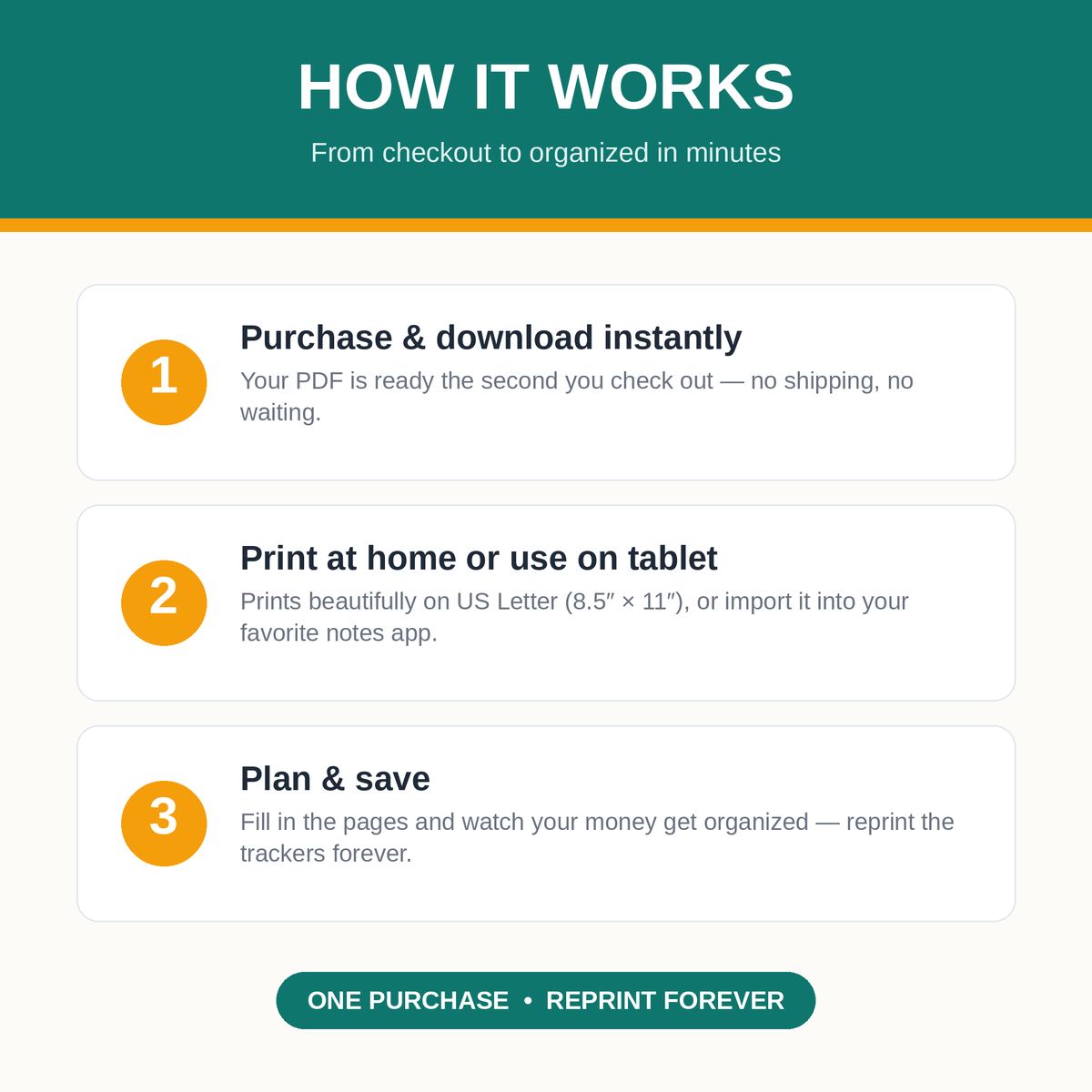
Download the 15 page PDF and work the first year cost estimator during pregnancy with your real local numbers.
Use the grand total to set your target monthly budget, then work the gear checklist, childcare comparison, and leave planner.
After the baby arrives, log actual spending in the monthly tracker and adjust the plan as real costs emerge.
What buyers ask before downloading this planner.
The estimator works for multiples; you simply adjust the quantities and note which gear items need doubling. Diapers, feeding, and childcare scale fast with two, which is exactly why pricing it out early matters even more.
Daycare centers, home based daycares, nannies and nanny shares, and family help. You enter the actual rates you find locally, so the comparison reflects your market rather than a national average.
The categories and structure work anywhere, though some pages reference US style systems like copays and parental leave norms. Families elsewhere adapt the labels easily since every number entered is your own.
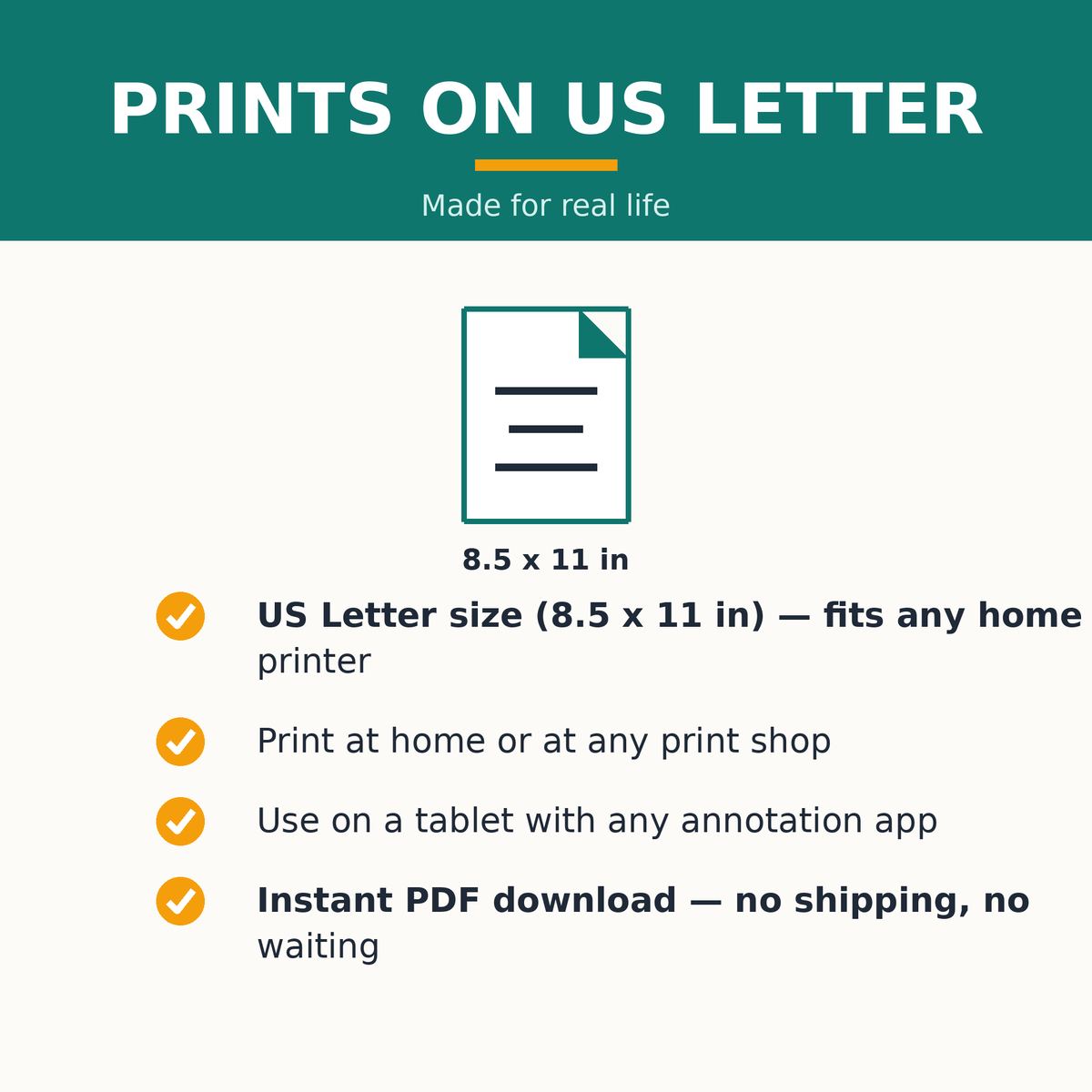
US Letter, standard home printer size.
Yes. The monthly expense tracker is designed for the twelve months after arrival, and many parents say the tracker phase is when the planner earns its keep, as real spending meets the plan.
No. This planner covers year one: the gear, the feeding, the childcare, the medical costs. College savings is a separate planning topic for once the first year budget is under control.
Planners from the same collection, built to work together.
Structure and support for the hardest two weeks of trying.


Log your child's therapy sessions and medications side by side.
Join the list and get the free monthly budget worksheet plus first word on new planners.
No spam, ever. Unsubscribe anytime.