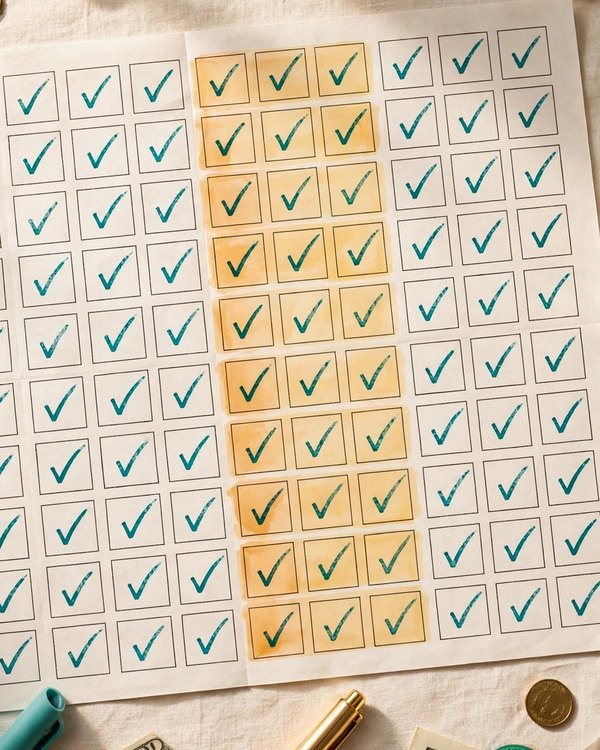
52 Week Money Challenge 2027 Printable
Save $1,378 in 2027, one weekly deposit at a time.
$1.50 $5.99
Buy on Etsy →
Budget Planners
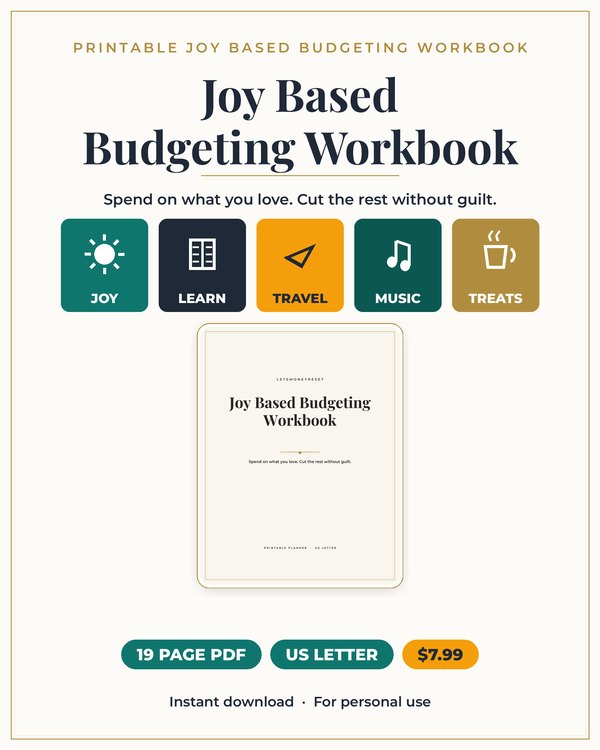
Build a budget around what you actually value.
This printable workbook is a different way into budgeting. Instead of starting with restrictions, it starts with your values: what actually matters to you, what makes your life good, what you would miss if it were gone. Then it builds a simple budget from there.
The method is joy based budgeting. You spend generously on what you value and cut ruthlessly what you do not. The result is a budget that feels like alignment instead of punishment, which is why people actually keep it. The workbook never asks you to cut first and feel good later. It asks what a good life costs, then protects that spending like it matters, because it does.
The values exercises come first. They walk you through identifying what you truly value versus what you spend on out of habit, pressure, or inertia. Most people find a gap between the two, and that gap is where the budget gets its power.
From there you set money goals that fit those values, then build the simple budget itself: income in, valued spending protected, everything else questioned. The workbook closes the loop by having you review spending against values regularly, so drift gets caught early.
This is for anyone who has tried traditional budgets and felt miserable. If cutting lattes never stuck because nobody asked whether you actually love lattes, this is the method that asks first.
It is also for people who earn enough but feel broke, which is almost always a values alignment problem rather than an income problem. And it works for couples, because doing the values exercises together surfaces differences that silent resentment never resolves.
Start with the values exercises and be honest. The workbook asks what a good week looks like, what spending has genuinely made you happy, and what you buy that you would not miss. Write real answers, not the answers you think you should give.
Then set two or three money goals tied directly to those values, and build the budget around them. The valued spending gets funded first and protected. Everything else goes through one question: does this serve what I said matters. Revisit the values pages whenever life changes: a new job, a new baby, a move. Values shift, and the budget should shift with them.
Willpower budgets fail because they fight your desires with rules. Values budgets work because they recruit your desires to the cause. Cutting spending you do not value is not deprivation. It is just editing.
The research on this is consistent: people sustain behavior that connects to identity and values, and abandon behavior that feels imposed. A budget built from your own values is the closest thing to a budget that runs itself.
Work through the values exercises honestly, naming what a good life actually costs you.
Set two or three money goals tied to those values and build the simple budget around them.
Review spending against values regularly, cutting what does not serve and protecting what does.
What buyers ask before downloading this planner.
It is a budgeting method that starts from your values instead of restrictions. You identify what genuinely matters to you, fund that spending first and fully, and cut the spending that does not serve your values. The budget works because it aligns with what you want, not against it.
No. It is permission to spend on what you value and a clear framework for cutting what you do not. Most people discover they value far fewer spending categories than they fund, which is where the savings come from.
Yes, arguably better than a traditional budget would. Starting from values is more intuitive than starting from categories and limits. The workbook walks you from values to goals to a simple budget in order.
Yes, and they should. The values exercises are built to be done individually first, then compared. Most couples find they agree on more than they expected and finally have words for where they differ.
A normal worksheet starts with your income and divides it into categories. This workbook starts with your values and builds the budget outward from there. The math at the end looks similar. The budget you actually keep does not.
US Letter, printed at 100 percent scale. That keeps the worksheets roomy enough to write in comfortably.
Planners from the same collection, built to work together.
Save $1,378 in 2027, one weekly deposit at a time.
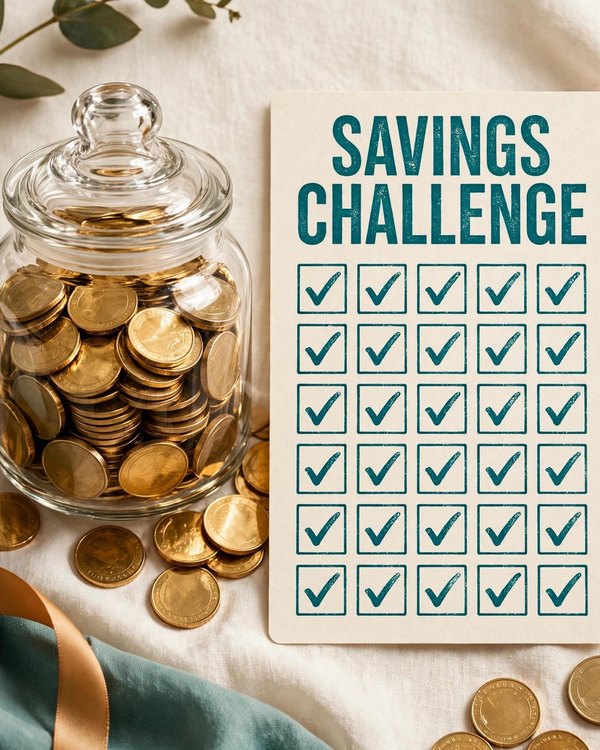
Turn saving into a game you'll actually finish.
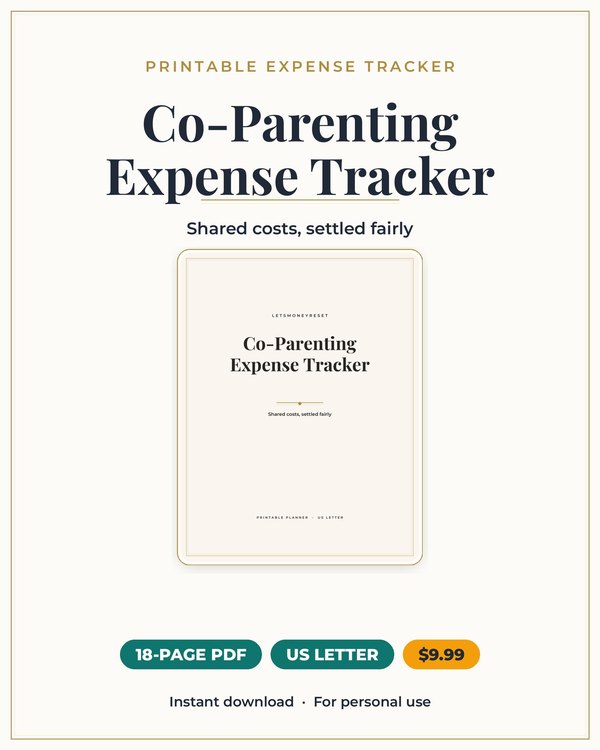
Split kid costs cleanly, with a record you can both trust.
Join the list and get the free monthly budget worksheet plus first word on new planners.
No spam, ever. Unsubscribe anytime.