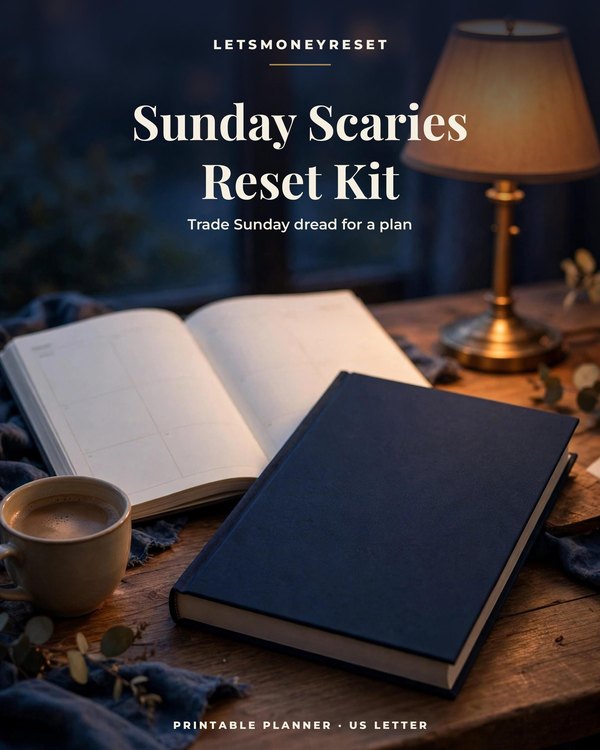
Sunday Scaries Reset Kit
Beat Sunday night dread and rest before the work week.
$2.50 $9.99
Buy on Etsy →
Focus and Mind
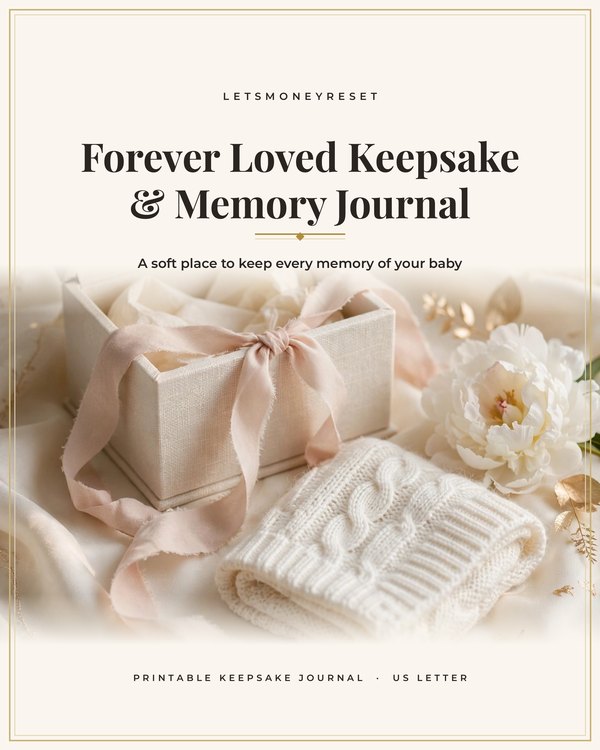
Keep the memories of someone you love in one journal.
This printable journal gives you one place to keep the memories, stories, and photos of a loved one who has died. Not a grief workbook with exercises, not a guided program, just beautiful pages waiting for what you remember: the stories you tell at every gathering, the small details you are afraid of forgetting, the photos that deserve better than a phone camera roll.
Grief scatters things. Memories live in different people's heads, photos live on different phones, the good stories come out at holidays and then vanish again. This journal gathers them into one physical book that can sit on a shelf, be opened on hard days, and one day be handed to someone who never got to meet them.
There is no first page you must start on and no order to follow. Fill in pages whenever you feel like it, in whatever order the memories come. Some days you will write three pages about a single afternoon twenty years ago. Some months you will not open it at all. Both are fine.
The journal includes memory writing pages for the stories, dedicated photo pages for the pictures, letter pages for the things you wish you had said, a timeline of their life, favorites lists for the small details, and space for quotes and sayings in their own words. Mix them however feels right; the journal does not judge your process.
Memory pages give you lined space with gentle prompts that suggest rather than demand: a favorite memory, a lesson they taught you, something they always said. Story pages offer more room for the longer tales, the ones that take twenty minutes to tell properly. Photo pages have space for printed photos with captions underneath, because a photo without its story is just a picture.
Letter pages are for writing directly to them, which many people find unexpectedly comforting. The timeline page maps the arc of their life at a glance. Favorites lists capture the wonderfully specific things: their song, their meal, their chair, the way they laughed. Years from now, those small details will be the ones you are most grateful you wrote down.
It is for anyone grieving someone they loved: a spouse, a parent, a grandparent, a sibling, a friend, a child. It is for the person who keeps meaning to write the stories down before they fade. It is for families who want to build one together, with each person contributing their own pages and memories.
It also makes a thoughtful sympathy gift. Giving a grieving person a beautiful empty journal says: their stories matter, take your time, there is no rush. Print it, place it in a simple binder or have it bound, and give them somewhere for the memories to live.
A keepsake like this should be physical. Handwriting slows you down in the right way when you are remembering someone; typing a memory and writing it are different experiences. Printed pages hold photos, ticket stubs, pressed flowers, the physical artifacts of a life that a digital file never will.
Printable also means personal. Print the pages you want, as many as you need. If one person's life fills forty memory pages and another fills twelve, the journal fits both. Reprint photo pages whenever you find another picture worth keeping. The journal grows with your remembering.
Many grief journals are really workbooks: prompts on every page, exercises, a program to complete. This is not that. It is a keepsake first, with space that respects your pace. Some pages have gentle suggestions; none of them demand anything of you on a day when you have nothing to give.
The design is calm and timeless rather than somber. This is a book about a life that mattered, not only about a loss. It should look like something you are proud to keep on the shelf and one day place into someone else's hands.
Download the PDF instantly and print the pages you want, as many of each as you need.
Fill pages in any order, whenever you feel like it: write memories, add photos, write letters.
Keep the finished pages in a binder or have them bound, and the journal becomes a keepsake for the whole family.
What buyers ask before downloading this planner.
No. People start memory journals weeks after a loss and decades after. If the stories are still in your head, it is not too late to write them down. Many people begin when they realize the details are starting to fade and wish they had started sooner.
Yes, and that is one of the best uses. Print extra sets of the memory and story pages and let each person write their own. Different people remember different things, and a journal with five handwritings in it is a richer record than any single perspective.
The photo pages are designed for standard home printed photos. Print at whatever size suits the page, trim, and attach with photo safe adhesive or photo corners so they can be repositioned.
US Letter, standard home printer size. A simple binder, a discbound system, or a print shop binding all work for the finished journal.
No. The journal contains no religious content and works for any belief system or none. The focus is memories, stories, and photos.
No. There are no exercises, stages, or programs to complete. It is a keepsake journal: space for memories, stories, photos, and letters, filled at your own pace in your own order.
Planners from the same collection, built to work together.
Beat Sunday night dread and rest before the work week.
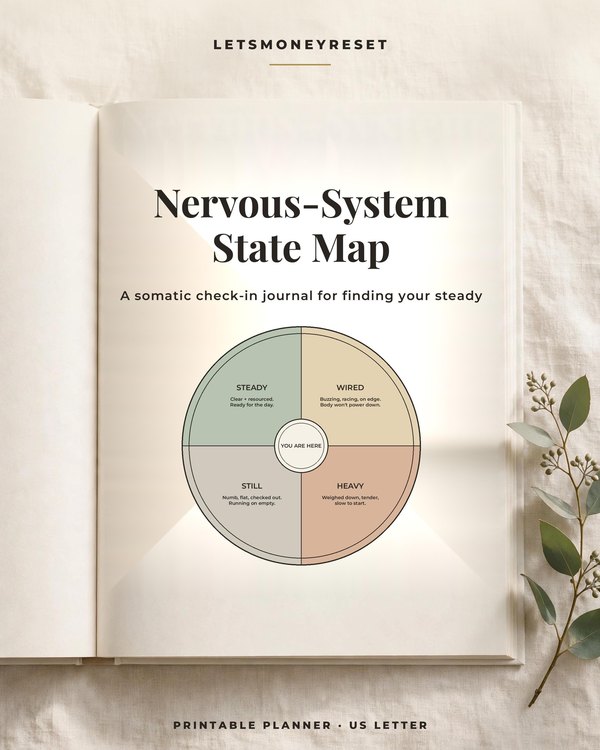
Notice how you feel, and choose what helps.
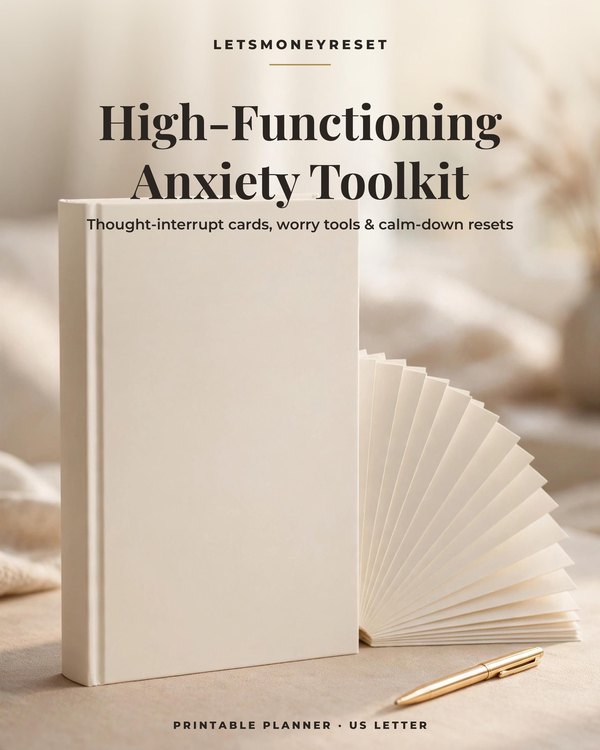
Small, sturdy tools for the moment you need them.
Join the list and get the free monthly budget worksheet plus first word on new planners.
No spam, ever. Unsubscribe anytime.